
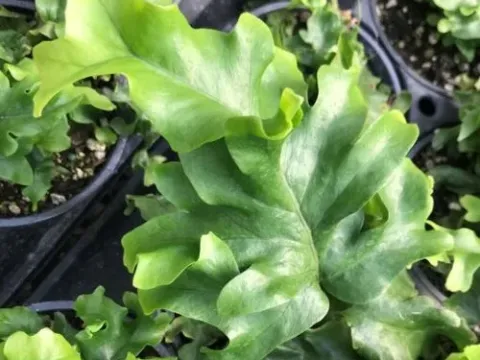
Phlebosia
Phlebosia
Successful cultivation of Phlebosia requires strict adherence to temperature parameters during the sowing phase. Planting should commence once the soil temperature at a 10 cm depth reaches a stable 12-14 degrees Celsius.
What the section contains
Phlebosia
Preparing a fine-textured seedbed is crucial for achieving uniform germination and emergence. The field must be properly leveled and cleared of debris to ensure consistent seed placement and optimal moisture uptake.
Seed depth is determined primarily by soil texture and moisture levels. In lighter, sandy soils, deeper planting is recommended to reach adequate moisture, while heavier soils require shallower seeding to prevent emergence issues.
Maintaining proper row spacing is essential for high-yield performance. Proper plant density prevents excessive competition for sunlight and nutrients, ensuring each plant has sufficient room for development.
In regions susceptible to cold spring nights, the use of row covers or agricultural fleece can provide protection and foster a more stable microclimate. This practice promotes early season vigor and ensures a stronger start for the crop.
Phlebosia thrives in fertile, well-aerated soils with excellent drainage properties. The ideal substrate is a neutral or slightly acidic loam or chernozem, which provides the necessary nutrients for healthy root system development.
This crop is strictly photophilous, requiring full sun exposure for optimal growth. Lack of sufficient sunlight leads to stunted biomass accumulation and negatively affects the overall quality of the harvest.
Maintaining soil moisture at approximately 70-80% of field capacity is recommended throughout the growing season. While water is vital, growers must ensure adequate drainage to prevent waterlogging and root decay.
Exposure to extreme wind conditions can inhibit growth and lead to physical damage. In areas with high wind prevalence, windbreaks or strategically planted barriers are recommended to shield the crop from mechanical stress.
A structured fertilization program based on regular soil tests is recommended. Balanced applications of nitrogen, phosphorus, and potassium are critical, with micronutrients provided according to specific crop growth stages.
Fungal infections remain the primary threat to Phlebosia, especially during periods of high humidity. Diseases such as leaf spots and powdery mildew can significantly compromise the photosynthetic capacity of the plants.
Pests, particularly aphids and mites, are common nuisances that suck sap from the leaves, weakening the plant. Regular field inspections are necessary to detect these pests before they reach economic threshold levels.
Monitoring for pathogens and insects can be efficiently managed using pheromone traps and systematic scouting. Early detection allows for localized management, reducing the need for broad-spectrum chemical interventions.
Crop rotation is the most effective cultural practice for managing soil-borne pathogens. A minimum rotation interval of three to four years helps break the life cycles of diseases that persist in the soil environment.
Modern breeding programs focus on developing resistant varieties that can withstand regional pest complexes. Utilizing certified, resistant seeds is an essential component of an integrated pest management strategy for Phlebosia.