
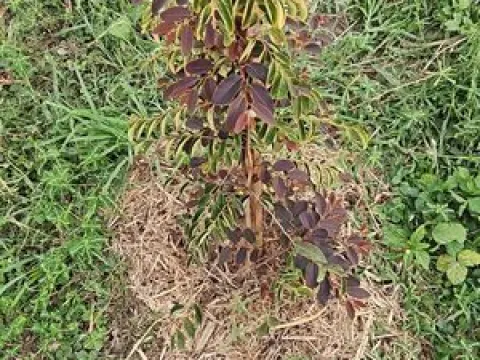
Phyllanthus flexuosus
Phyllanthus flexuosus
Phyllanthus flexuosus belongs to the Phyllanthaceae family. The sowing period typically begins in spring, once the soil temperature consistently reaches 18–20 degrees Celsius to ensure rapid germination.
What the section contains
Phyllanthus flexuosus
Seeds require proper preparation; soaking them in growth-promoting agents significantly improves emergence rates. Seeds should be planted at a shallow depth of approximately 1 to 1.5 centimeters.
When grown in greenhouse conditions, sowing can be advanced to late winter if supplemental LED lighting is provided to ensure sturdy seedling development.
After emergence, thinning is necessary to provide adequate space for individual plants, which reduces competition for light and nutrients. Proper spacing is a key factor in maximizing the photosynthetic area.
The seedling method is highly recommended for commercial production, as it ensures a higher establishment rate. Seedlings are transplanted into open fields only after all risks of frost have passed.
This crop thrives in well-drained, sandy loam soils with a neutral pH. It is crucial to prevent waterlogging, which the root system of this species is particularly sensitive to.
Light is a critical growth factor for Phyllanthus flexuosus. It demands full sun exposure to maintain its characteristic structure; shading will cause the stems to become weak and elongated.
The ideal temperature range for active growth is between 22 and 28 degrees Celsius. Growth slows significantly if temperatures drop below 10 degrees, making site selection vital for yield success.
Watering needs to be managed carefully; drip irrigation is the most efficient way to maintain consistent soil moisture without saturating the roots. Overwatering can lead to immediate physiological stress.
Balanced fertilization is required throughout the growth cycle. Nitrogen-rich fertilizers are beneficial during the vegetative phase, while potash-heavy mixes are preferred as the plant matures.
The yield of Phyllanthus flexuosus depends heavily on environmental stability and field management. In optimal conditions, significant biomass can be harvested annually.
The primary use of the crop involves the extraction of bioactive compounds from the leaves and young shoots for pharmacological purposes. Timing the harvest is critical to ensure high levels of these compounds.
- Monitor flowering stages.
- Maintain harvest hygiene.
- Ensure rapid post-harvest drying.
Harvesting usually occurs during the peak vegetative phase before senescence. The plant material should be dried at low temperatures, not exceeding 40 degrees Celsius, to maintain its biological potency.
Field longevity typically spans three to five years before the yield declines. Proper crop rotation practices should be followed to maintain soil health and minimize pest pressure over time.
Common pests include spider mites and aphids, which can quickly compromise plant health during hot, dry weather. Early detection and the use of bio-insecticides are recommended for control.
Root rot and fungal pathogens, such as Fusarium, are significant risks in poorly drained soils. Soil disinfection and rotation are standard preventive measures in professional agronomy.
Powdery mildew may occur if planting density is too high, preventing proper air circulation. Maintaining proper spacing significantly reduces the humidity surrounding the leaf surface.
Leaf-eating insects can cause cosmetic and structural damage. Integrated pest management strategies, focusing on biological controls, should be the first line of defense.
Field sanitation, including the removal of debris and infected plant tissues, is essential to minimize inoculum buildup for the next growing season.