
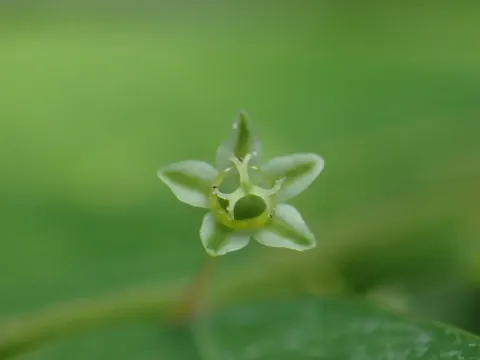
Phyllanthus
Phyllanthus
Phyllanthus, particularly the species Phyllanthus emblica, is a tropical crop that requires specific timing for planting, usually synchronized with the beginning of the rainy season to ensure successful establishment.
What the section contains


Phyllanthus
The seeds possess a hard seed coat, making pre-sowing treatments such as mechanical scarification or soaking in growth-promoting solutions highly recommended to improve germination rates in nurseries.
Seedlings are typically raised in protected environments before being transplanted to the field. This stage ensures that plants are sufficiently developed, often reaching 50–60 cm in height, before facing environmental stressors in an open plantation.
The ideal temperature for germination and early vegetative growth ranges from +25°C to +30°C. Cold spells, especially temperatures below +15°C, can lead to severe growth retardation or seedling mortality.
Proper spacing is crucial for long-term productivity. Recommended planting densities are often 8x8 or 10x10 meters, allowing sufficient space for crown development and ensuring sunlight penetration to lower branches.
Belonging to the Phyllanthaceae family, Phyllanthus thrives in well-drained, fertile loamy soils with a pH ranging between 6.0 and 7.5. Good drainage is vital, as the plant is highly susceptible to root rot in waterlogged conditions.
Full sun exposure is a fundamental requirement for optimal growth and fruit quality. Shaded environments inhibit photosynthesis, leading to reduced yields and increased vulnerability to pests and diseases.
Water management is critical during the first three years of growth and during the flowering phase. While mature trees exhibit some drought tolerance, consistent moisture is necessary to prevent premature fruit drop.
Fertilization regimes should prioritize organic amendments like compost or well-rotted manure to improve soil health. Supplementing with potassium and phosphorus before the flowering season significantly improves fruit set.
As a tropical crop, Phyllanthus is sensitive to frost. It requires a climate with consistent warmth and high humidity during active growth cycles, making it unsuitable for regions with freezing temperatures.
Yield capacity typically stabilizes after the trees reach 8 years of age. A healthy, mature tree can produce between 50 and 100 kilograms of fruit per season, depending on the cultivar and management practices.
Total yield per hectare is heavily dependent on the application of intensive agronomic techniques, including regular crown pruning to maintain structure and prevent self-shading within the canopy.
Productivity is generally annual, although cycles of high and low yield can occur due to fluctuations in rainfall during the critical flowering period. With appropriate care, a plantation can remain productive for 40–50 years.
Irrigation optimization through drip systems is highly effective in increasing commercial yields. Maintaining soil moisture stability prevents stress-induced fruit drop and increases the individual size of the harvested fruit.
The average commercial yield ranges from 10 to 15 tons per hectare, provided that high-quality seedlings are used and effective pest and disease management programs are consistently followed.
Fruit borers represent the primary threat to Phyllanthus crops, as they can cause significant damage to young fruit. Integrated pest management, including the use of pheromone traps, is recommended for control.
Fungal diseases, such as leaf rust, are common in humid conditions with poor air circulation. Regular pruning to improve canopy aeration and the preventive use of copper-based fungicides help manage these issues.
Mealybugs are another common pest that feeds on plant sap, leading to stunted growth and leaf deformation. Biological control agents or horticultural oils are often preferred to manage these populations effectively.
Root-knot nematodes can severely affect tree vigor by damaging the root system. Proper site preparation and the use of resistant rootstock (where available) are the most effective preventative measures.
Maintaining high orchard hygiene is the cornerstone of disease prevention. Removing fallen fruit and infected leaves prevents the buildup of inoculums and reduces the need for heavy chemical intervention.
Harvesting is performed exclusively by hand to avoid bruising the delicate fruit. Timing is critical, and harvest begins when the fruit reaches the appropriate size and color characteristic of the specific variety.
Because fruit does not ripen simultaneously, the harvest period is typically staggered. Multiple rounds of picking are conducted over several weeks to ensure that all harvested fruit is at the desired stage of maturity.
Post-harvest handling requires gentle placement into ventilated crates. Direct sunlight and high heat should be avoided immediately after picking to prevent internal degradation and moisture loss.
Proper airflow in storage facilities is essential to extend shelf life. Removing damaged or infected fruits during the initial sorting process prevents the spread of decay to healthy parts of the harvest.
Processing fruit shortly after harvest into powders, extracts, or preserved products adds significant economic value and reduces losses associated with the perishability of fresh fruit during transport.