
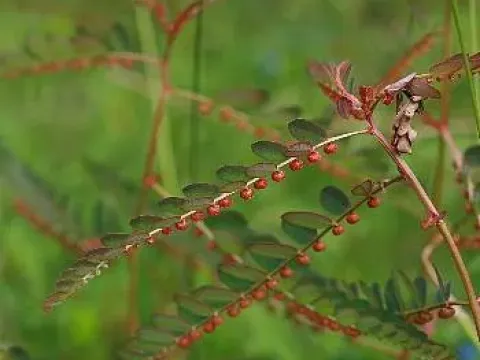
Phyllanthus matsumurae
Phyllanthus matsumurae
Phyllanthus matsumurae is a thermophilic crop that requires warm soil conditions for successful germination, making late spring the ideal time for sowing.
What the section contains
Phyllanthus matsumurae
Before planting, seeds should be checked for viability; shallow sowing at a depth of 1-2 cm is recommended to ensure seedlings emerge without excessive stress.
If starting seeds indoors, use high-quality, sterile potting mix and maintain a consistent ambient temperature to promote strong root development.
Direct seeding in the field requires stable weather patterns, as sudden drops in temperature can significantly delay the growth cycle of the plant.
Proper plant spacing is essential to allow for adequate airflow between individual plants, which reduces the risk of moisture-related issues during growth.
This species thrives in full sun exposure, requiring at least 6 to 8 hours of direct light daily to maintain its physiological functions and vigor.
Well-draining, sandy loam soils are preferred to prevent water stagnation, which can easily lead to root decay in members of the Phyllanthaceae family.
The soil pH should ideally be neutral or slightly acidic; ensuring the substrate is rich in organic matter will significantly benefit plant biomass production.
Moderate but consistent irrigation is necessary, particularly during the active growth phase, though the surface should be allowed to dry slightly between waterings.
Protecting the crops from strong winds is advisable to maintain the physical integrity of the stems and to prevent excessive evaporation from the soil surface.
Fungal diseases such as leaf spots and powdery mildew are common threats, especially in humid or stagnant environments where air circulation is poor.
Pests like aphids and spider mites are frequent invaders, feeding on the undersides of leaves and reducing the overall quality of the herbal harvest.
To mitigate disease risks, farmers should implement a strict crop rotation schedule and remove any plant debris that could serve as a host for pathogens.
Integrated pest management, including the use of beneficial predatory insects, is a highly recommended strategy for maintaining a healthy crop population.
Regular scouting of the fields is essential to detect pest infestations early before they reach economic injury levels that require chemical intervention.