
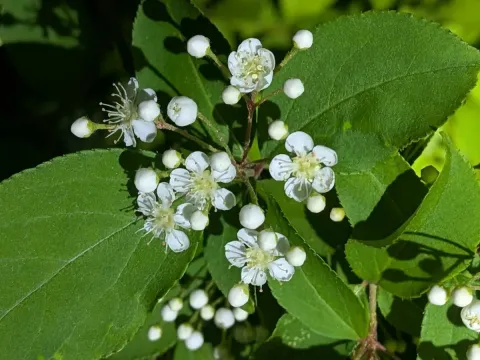
Photinia villosa
Photinia villosa
Photinia villosa is a deciduous shrub belonging to the Rosaceae family. It is widely recognized for its graceful branching structure and seasonal aesthetic shifts in foliage color.
What the section contains
Photinia villosa
The species is native to Eastern Asia, specifically found in natural habitats across Japan, Korea, and China, where it grows in wooded areas and forest margins.
Successful cultivation requires a location with full sun to partial shade, which significantly influences the intensity of the plant's autumn foliage coloration.
Soil requirements focus on well-draining, fertile loams that provide adequate nutrients. It is crucial to avoid heavy soils where water might accumulate, as this can lead to root rot.
In landscape management, Photinia villosa is highly utilized for its ornamental value in shrub borders and naturalistic gardens, providing visual interest throughout the changing seasons.
The plant can be susceptible to aphids, which tend to congregate on the soft, young shoots during the growing season, potentially stunting new development.
Powdery mildew is a common fungal threat, particularly in regions with high humidity or poor air circulation within the shrub's canopy during late summer.
Leaf spot pathogens may also occur, manifesting as dark or reddish lesions on the foliage, which generally necessitates the removal of infected parts to mitigate spread.
Regular maintenance practices, such as proper pruning for airflow and removing fallen leaf debris, are essential to minimize the establishment of fungal spores.
While generally hardy, plants stressed by drought or poor nutritional status are more susceptible to infestations and should be treated with appropriate horticultural oils or fungicides.