
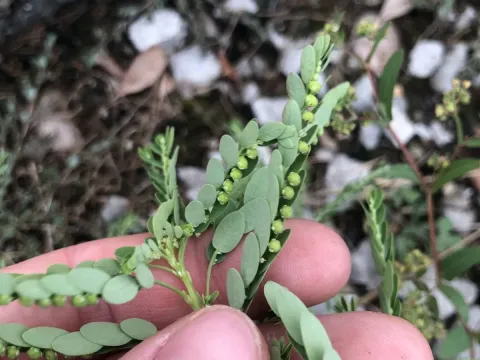
Phyllanthus fraternus
Phyllanthus fraternus
Phyllanthus fraternus is a warmth-loving annual herb that requires stable soil temperatures for successful germination. Sowing in the field should only occur once the threat of frost has passed and the soil has warmed to at least 20 degrees Celsius.
What the section contains
Phyllanthus fraternus
For more predictable results, especially in cooler climates, the transplanting method is recommended. Seeds are started in nursery trays 4 to 6 weeks before the intended field planting date, ensuring they receive plenty of bright, indirect sunlight.
The seeds are small and should be sown at a shallow depth of approximately 0.5 to 1 centimeter. Proper soil contact is essential, and the seedbed should be kept consistently moist until germination occurs to prevent the delicate seedlings from drying out.
Spacing is a crucial factor for maximizing the biomass yield of the culture. A standard planting pattern of 30 centimeters between plants allows for adequate airflow and prevents the overcrowding that can lead to disease outbreaks.
Before sowing, it is advisable to prepare the seedbed with light, well-draining soil mixed with organic matter. This provides the necessary nutrients for the initial phase of seedling development and ensures a strong start for the young plants.
Phyllanthus fraternus belongs to the Phyllanthaceae family and requires high light intensity for optimal growth. Exposure to full sun throughout the day is essential for the development of its chemical compounds and overall plant vigor.
The crop thrives in loose, well-draining soils with a slightly acidic to neutral pH. Heavy soils that retain excess moisture can be detrimental, leading to poor root development and increasing the risk of soil-borne pathogens and root rot.
Temperature is a major factor in the successful cultivation of this species. It prefers temperatures between 25 and 30 degrees Celsius; cold stress, especially temperatures below 15 degrees, can significantly hamper the plant's metabolic activity.
Regular fertilization with organic compost or balanced NPK fertilizers helps support consistent growth. During the rapid vegetative growth stage, a higher nitrogen content can promote lush green foliage, while phosphorus is vital for root health.
Adequate hydration through a consistent irrigation schedule is vital. Drip irrigation is the most efficient way to maintain soil moisture without wetting the foliage excessively, which helps in preventing potential fungal infections of the leaves.
The main threats to Phyllanthus fraternus are fungal infections that thrive in high humidity. Powdery mildew is a common issue, manifesting as a white, dusty layer on the leaves, which can reduce the plant's ability to photosynthesize effectively.
Root rot, often caused by pathogenic fungi in over-watered soil, is a critical concern. Symptoms include sudden wilting and discoloration of the stem, often resulting in complete plant collapse if drainage is not improved immediately.
Pests like aphids and spider mites can cause significant damage by feeding on the plant's sap. These infestations can lead to curled, yellowed, or stunted leaves, reducing the final weight and quality of the medicinal harvest.
Implementing a strict crop rotation strategy is essential to break the cycle of soil-borne pests and diseases. Avoiding the planting of Phyllanthaceae species in the same spot for multiple years minimizes the accumulation of specialized pathogens.
Biological pest control methods are highly encouraged, as the plant is grown for its medicinal properties. Using neem oil or beneficial insects can manage pest populations without leaving toxic chemical residues on the harvested material.
The timing of the harvest is critical, with the best results obtained during the plant's peak flowering phase. This is when the concentrations of active pharmacological compounds are at their highest, ensuring the quality of the raw material.
Plants should be harvested by cutting the aerial parts cleanly, about 5 to 10 centimeters above the soil line. It is best to schedule the harvest for a dry, sunny day to prevent the collected biomass from becoming overly moist or moldy.
Immediate post-harvest handling is required to preserve the quality of the herb. The plant material should be moved to a clean, well-ventilated drying area as quickly as possible to prevent excessive heating or fermentation.
Drying is best accomplished in controlled-environment chambers or shaded, airy racks at temperatures not exceeding 45 degrees Celsius. Exposing the drying material to direct sunlight can degrade the beneficial phytochemicals.
Once dried to the desired moisture level, the raw product should be cleaned of any debris or contaminants and stored in moisture-proof containers. Proper storage in a cool, dark place ensures the shelf life and potency of the plant for medicinal use.