
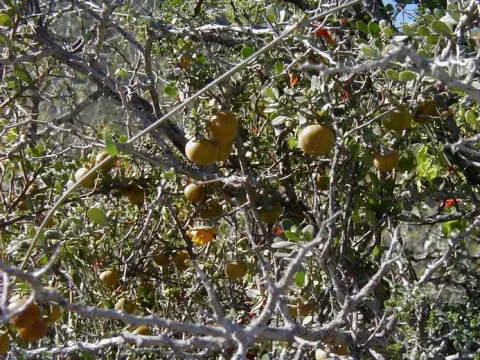
Phyllanthus galeottianus
Phyllanthus galeottianus
Phyllanthus galeottianus is a distinct species belonging to the Phyllanthaceae family, native to the tropical regions of Mexico. It is recognized for its unique branching habit and foliage, making it a subject of interest for collectors and botanical enthusiasts.
What the section contains
Phyllanthus galeottianus
The plant requires a stable tropical climate with temperatures ranging from 20°C to 28°C. Being sensitive to frost, it must be protected from cold drafts and winter temperatures, making indoor or greenhouse cultivation essential in temperate zones.
Light management is crucial for the healthy development of this species. While it thrives in bright, filtered sunlight, direct intense sun can damage the foliage, leading to chlorosis or burnt leaves, especially during midday.
Soil requirements involve a well-draining substrate that mimics forest-floor conditions. A mix consisting of peat moss, perlite, and bark fragments provides the necessary aeration and moisture retention while preventing root rot.
Regular maintenance includes moderate irrigation and periodic fertilization. During the growing season, a balanced water-soluble fertilizer can support vigorous growth and improve the structural integrity of the plant branches.
The most frequent pests affecting Phyllanthus galeottianus include spider mites, mealybugs, and scale insects. These pests often congregate in leaf axils, making regular inspections essential to prevent widespread infestation.
Root rot, primarily caused by excessive watering or poor drainage, represents the most significant pathological threat. Symptoms include wilting despite moist soil, browning of stems, and failure of new growth.
Integrated pest management (IPM) practices, including the use of neem oil or insecticidal soaps, are generally effective if the infestation is detected early. It is vital to isolate affected plants to stop the spread of pests.
Fungal infections can be managed by improving airflow and reducing the humidity level in the immediate vicinity of the plant. Avoiding overhead watering is a simple yet effective way to prevent pathogen transmission.
By maintaining proper cultural conditions and performing routine preventive maintenance, growers can ensure the longevity and decorative value of the specimen.