
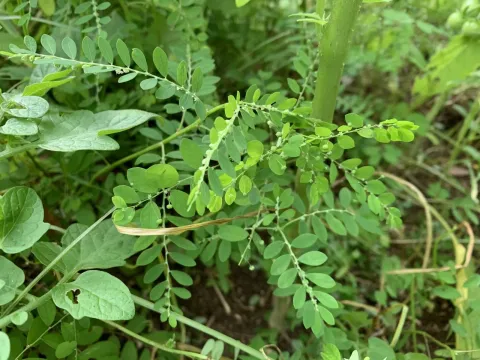
Phyllanthus debilis
Phyllanthus debilis
Phyllanthus debilis is a notable annual species within the Phyllanthaceae family, valued for its biochemical properties. It is predominantly distributed in tropical regions, where it thrives in warm and humid environments, often found in disturbed soils and agricultural fields.
What the section contains
Phyllanthus debilis
The plant demands high levels of sunlight for optimal photosynthesis, although it exhibits tolerance to partial shade. Consistency in water supply is essential during the vegetative phase to ensure the rapid production of medicinal biomass.
Ideal soil conditions consist of well-drained loamy textures rich in organic matter. Proper drainage is crucial to prevent the onset of root-related pathogens that the species is susceptible to under waterlogged conditions.
Temperature requirements remain stable, generally ranging from 22°C to 30°C. Extremes below 15°C will severely inhibit plant metabolism, necessitating controlled environments for successful cultivation in non-tropical zones.
In terms of agricultural utility, Phyllanthus debilis is harvested primarily for its active secondary metabolites. It plays a significant role in herbal medicine, contributing to the development of treatments for metabolic disorders.
The primary biological threats include various fungal infections, notably powdery mildew and rust. These diseases flourish when air circulation is poor, emphasizing the importance of optimal plant spacing in the field.
Insect pests such as spider mites and aphids are known to compromise plant health by extracting cell sap. This leads to stunted growth and reduced leaf quality, which directly impacts the pharmacological value of the harvest.
Integrated pest management strategies are highly recommended to mitigate these risks. This includes the use of pheromone traps and biological predators to keep insect populations within economic thresholds without chemical residue.
Good field hygiene, including the removal of crop residues after harvest, serves as a preventative measure against the overwintering of pathogens and harmful insect life cycles.
Routine scouting for symptoms like chlorosis or leaf curling is vital for early detection, allowing for precise and efficient management interventions that ensure long-term crop productivity.