
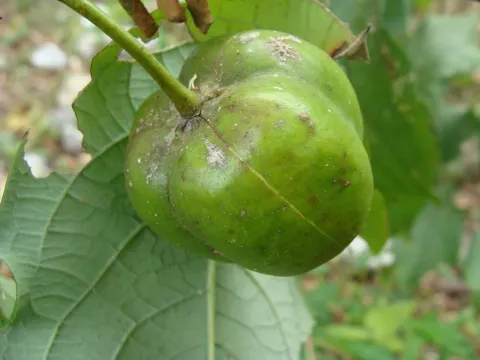
Phyllanthus grandifolius
Phyllanthus grandifolius
Phyllanthus grandifolius, belonging to the Phyllanthaceae family, is a significant woody shrub native to tropical regions of the Americas. It is recognized for its rapid growth rate and substantial leaf production, which makes it a notable candidate for specific agricultural uses.
What the section contains
Phyllanthus grandifolius
The plant thrives in tropical climates characterized by high humidity and stable temperatures ranging between 22 and 28 degrees Celsius. Exposure to frost or prolonged cold temperatures is lethal to this species, limiting its outdoor cultivation to tropical zones.
Regarding edaphic requirements, it prefers deep, well-drained loamy soils rich in organic matter. A neutral pH level is ideal for nutrient uptake, particularly for the absorption of micronutrients required for robust leaf development.
Water management is critical; the crop requires consistent moisture throughout the growing season but cannot tolerate waterlogging. Efficient drainage systems are necessary to prevent root asphyxiation in high-rainfall areas.
Light exposure should be managed carefully, as the species performs best in bright, dappled light. Full, direct sun in tropical climates may cause leaf scorching and increase the water demand significantly, impacting the overall harvest quality.
Fungal pathogens, particularly those causing root rot, are the primary threat to the stability of the crop. These pathogens proliferate in environments with poor drainage and excessive moisture accumulation around the base of the shrub.
Common pests include spider mites and whiteflies, which thrive in the warm, humid conditions required by the plant. These insects feed on leaf sap, leading to chlorosis and potential defoliation if left untreated.
Cultural control methods, such as pruning for adequate air circulation within the canopy, are highly effective in reducing the incidence of both fungal infections and insect infestations in intensive planting systems.
Integrated pest management protocols suggest the use of horticultural oils and biological control agents to manage minor outbreaks without harming the local beneficial insect population.
Regular monitoring of soil moisture and nutrient levels is essential, as plant stress often precedes pest colonization. Healthy, well-nourished plants show significantly higher resistance to localized biological attacks.