
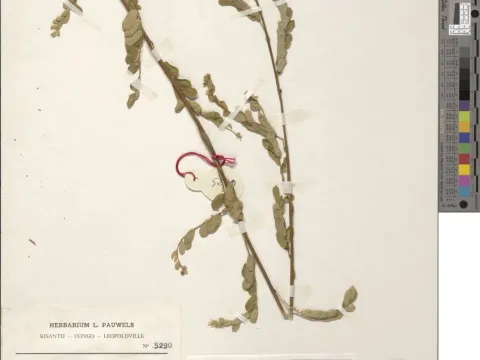
Phyllanthus gagnioevae
Phyllanthus gagnioevae
Phyllanthus gagnioevae, a member of the Phyllanthaceae family, is a specialized crop that requires precise timing and environmental control during the sowing phase. As a relatively sensitive plant, it requires stable soil temperatures to germinate successfully.
What the section contains
Phyllanthus gagnioevae
The ideal sowing window opens once the soil has warmed sufficiently, typically in late spring, ensuring that no frost risks remain. In temperate zones, starting the culture in a greenhouse environment or using nursery trays is strongly recommended for higher yields.
Seeds should be sown into a well-draining, nutrient-rich substrate with a neutral pH level. Proper seed depth, usually kept shallow, is essential to allow the young seedlings to emerge without expending excess energy before reaching the surface.
Space management is a critical agronomic factor for this species; maintaining appropriate distance between rows prevents competition for nutrients and ensures adequate light penetration. Overcrowding often leads to stunted growth and reduced leaf quality.
Post-sowing moisture control must be precise. The substrate should be kept consistently damp but not saturated, as waterlogged conditions during the early stages of development are lethal to the young root systems of this crop.
Phyllanthus gagnioevae thrives in locations with abundant sunlight, requiring full exposure to maximize its vegetative development. Insufficient light levels will inevitably lead to thin, elongated stems and a drastic decrease in biomass production.
The soil requirements prioritize aeration and structure. A loamy soil, enriched with organic matter, provides the best balance for root respiration while maintaining necessary moisture levels throughout the growing season.
Temperature management is the cornerstone of its cultivation. The plant performs best within a 22-28 degrees Celsius range. Temperatures dropping significantly below this threshold will inhibit metabolic activity and severely delay harvest timelines.
Watering strategies should focus on consistency. Drip irrigation systems are preferred as they deliver moisture directly to the root zone, minimizing leaf wetness and reducing the risk of fungal proliferation common in many Phyllanthus species.
Fertilization schedules should be tailored to the crop's growth phases, with a focus on nitrogen during the early leaf formation and potassium during the final maturation stages. Over-fertilization can lead to unwanted excessive vegetative growth at the expense of quality.
The primary pests affecting the cultivation of this species include aphids and spider mites, which can proliferate rapidly in dry, low-humidity environments. Integrated pest management (IPM) is crucial to keeping populations below damage thresholds.
Root rot caused by pathogenic fungi is a constant risk if soil drainage is compromised. To prevent this, agronomists should implement strict irrigation schedules and use fungicide treatments proactively if high-humidity conditions persist.
Powdery mildew is another significant threat, often appearing when air circulation is poor. Thinning the canopy and ensuring proper spacing between plants are effective cultural control methods for mitigating this threat.
Viral transmission via insect vectors remains a major challenge. Maintaining weed-free margins around the field and monitoring insect populations regularly are essential to prevent the spread of diseases within the crop area.
Rotation strategies are mandatory for sustaining healthy yields. By avoiding continuous cropping of Phyllanthus species in the same field, growers can successfully manage the build-up of soil-borne pathogens and maintain soil health over the long term.