
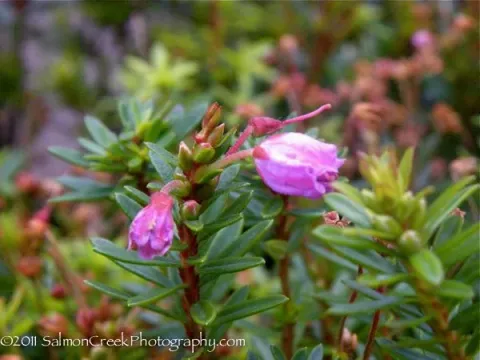
Phylliopsis
Phylliopsis
The propagation of Phylliopsis is typically initiated during the early spring season to ensure the root system is well-established before the high summer heat.
What the section contains
Phylliopsis
Seeds should be sown in a sterile, well-draining substrate with high peat content, maintaining consistent moisture levels throughout the germination process.
Cuttings are highly recommended for clonal propagation; these should be harvested in late summer when the wood is semi-hardened to optimize rooting success.
Transplanting seedlings to their final location requires careful handling of the delicate root ball to prevent transplant shock and ensure rapid stabilization.
Proper spacing between individuals is essential to encourage healthy branching and to reduce humidity buildup around the foliage area.
Phylliopsis belongs to the Ericaceae family, which dictates a strict requirement for acidic soil environments with a pH typically between 4.5 and 5.5.
The plant thrives in cool, moist climates and requires partial shade to prevent thermal stress during peak midday hours in temperate regions.
Soil aeration is critical; therefore, the inclusion of organic matter and inorganic drainage materials like perlite or grit is standard agricultural practice.
Mulching with pine needles or acidic bark is highly beneficial for maintaining soil moisture, suppressing weeds, and reinforcing the desired soil acidity.
The plant requires a stable moisture supply throughout the growing season but is intolerant of waterlogged conditions, which lead to immediate root mortality.
Root rot, primarily caused by Phytophthora species, is the most common threat when drainage is insufficient or when the soil remains constantly oversaturated.
Botrytis, or gray mold, can affect the leaves and flowers during periods of high humidity and poor air circulation, necessitating prompt sanitation efforts.
Spider mites are common pests that thrive in dry, warm conditions, frequently causing leaf stippling and eventual chlorosis of the plant canopy.
Scale insects can occasionally infest stems, draining the plant's resources and requiring the application of horticultural oils or systemic insecticides.
Integrated pest management, including regular inspection and the removal of infected plant tissue, is the most effective approach for maintaining long-term health.