
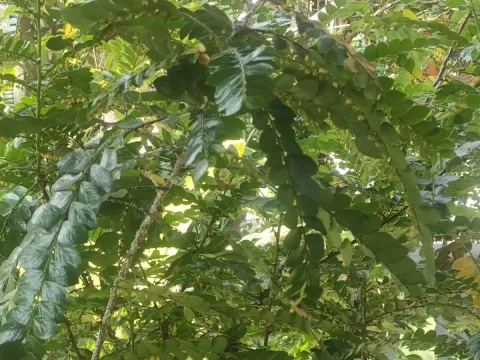
Phyllanthus buxifolius
Phyllanthus buxifolius
Phyllanthus buxifolius is an evergreen shrub belonging to the Phyllanthaceae family, native to tropical regions. Its distinctively small, leathery leaves resemble those of common boxwood (Buxus), which serves as the primary identification feature for the species in agricultural settings.
What the section contains
Phyllanthus buxifolius
Biologically, the plant exhibits a slow to moderate growth rate and a high capacity for dense vegetative branching. When cultivated, it maintains a robust structural form, making it an excellent candidate for managed plantation landscapes where uniform growth is prioritized.
Soil requirements for this species are specific: it thrives in well-drained, sandy loam soils that prevent waterlogging. Providing adequate drainage is the most critical agronomic factor, as the roots are highly susceptible to hypoxic stress if the substrate remains saturated for extended periods.
In terms of climate, the crop requires consistent tropical to subtropical conditions with high ambient humidity. Ideal daytime temperatures range from 20°C to 28°C, and the plant must be protected from any frost, which can cause terminal damage to the foliage and vascular system.
The economic utility of Phyllanthus buxifolius is multifaceted, spanning ornamental landscaping and pharmaceutical research. Its ability to produce secondary metabolites makes it a valuable interest for specialty crops aimed at extracting compounds for medicinal or cosmetic formulation.
The primary threats to this crop include root rot pathogens such as Phytophthora and Pythium species, which thrive in poorly drained environments. Proactive management involves soil solarization or the use of sterile substrates to prevent the initial introduction of soil-borne diseases.
Pest management focuses on controlling sucking insects like whiteflies and aphids that colonize the undersides of the leaves. Integrated pest management (IPM) strategies, including the use of neem oil and beneficial predator insects, are recommended to maintain plant health without compromising the quality of the harvested biomass.