
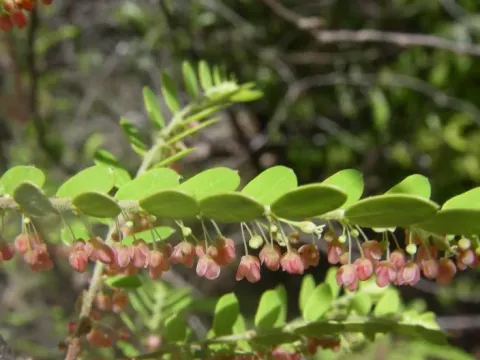
Phyllanthus casticum
Phyllanthus casticum
Phyllanthus casticum is a perennial shrub belonging to the Phyllanthaceae family, known for its distinct botanical structure and hardiness in tropical climates. It typically grows as a dense, woody shrub, often utilized in its native habitat for its resilience.
What the section contains
Phyllanthus casticum
The plant originates from the islands of the Indian Ocean, primarily Mauritius and Reunion. These regions provide a climate characterized by high humidity and consistent tropical temperatures, which the species requires to maintain optimal physiological functions.
Cultivation requires well-drained, nutrient-rich soil. The plant thrives in substrates that allow for proper aeration of the root system, preventing the suffocation that occurs in compacted or waterlogged soils, which is detrimental to its growth.
Temperature management is crucial, with the plant favoring a tropical range between 20°C and 28°C. It lacks tolerance for frost, and prolonged exposure to temperatures below 10°C will trigger dormancy or severe stress, potentially leading to plant death.
Sunlight exposure should be managed carefully. While it requires light for photosynthesis, direct intense sunlight can cause leaf scorching. Ideally, the plant should be placed in a position where it receives morning sun and filtered light throughout the afternoon.
Common pests affecting Phyllanthus casticum include spider mites and mealybugs. These pests thrive in dry environments and can quickly infest foliage, extracting sap and weakening the plant if not addressed with timely management strategies.
Fungal infections, particularly root rot, are the most significant threat to the plant's health. This is almost always caused by improper irrigation practices, specifically stagnant water remaining in the pot or soil surface for extended periods.
Management of these threats involves a combination of cultural and chemical control. Maintaining proper spacing between plants is essential to ensure adequate airflow, which naturally reduces the risk of fungal proliferation and insect colonization.
Integrated Pest Management (IPM) practices, including the use of neem oil or soft soaps, can be effective in controlling minor pest outbreaks without causing significant damage to the plant or the surrounding environment.
Regular monitoring for discoloration or wilting is a key agronomic requirement. Proactive identification of symptoms allows for immediate intervention, ensuring the long-term viability and health of the Phyllanthus casticum population.