
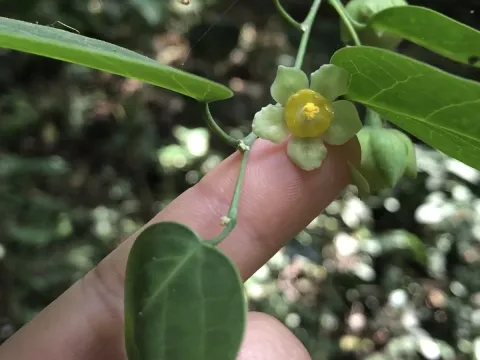
Meineckia
Meineckia
Meineckia is a genus of flowering plants belonging to the Euphorbiaceae family. It consists of various species that grow primarily as subshrubs or herbs, exhibiting unique adaptations to tropical environments.
What the section contains
Meineckia
The geographic distribution of this genus spans across tropical Africa, Asia, and parts of the Americas. These plants naturally thrive in forest understories or humid areas where light levels are filtered and soil moisture remains consistent.
Successful cultivation of Meineckia requires a well-draining soil mix that prevents water accumulation. A loose, nutrient-rich substrate, typically peat or bark-based, is recommended for container-grown specimens to ensure optimal root health.
From a botanical standpoint, Meineckia is noted for its simple leaves and unisexual flowers, which are characteristic of the spurge family. Its growth pattern is typically slow to moderate, requiring patience during the establishment phase.
The cultural use of this genus is mainly restricted to botanical research and specialized collections. Its role in sustainable agriculture remains a subject of study, particularly regarding the phytochemical potential of its foliage.
The most significant threat to Meineckia is fungal decay caused by excessive humidity or poor ventilation. Overwatering remains the primary cause of plant failure, leading directly to stem and root rot.
Pests such as spider mites and mealybugs represent a recurring challenge. These insects tend to settle in leaf axils, making manual removal and localized treatment quite labor-intensive.
Integrated pest management strategies are advised, emphasizing preventative hygiene, such as regular pruning of dead leaves and ensuring adequate airflow around the plant canopy.
If chemical interventions are necessary, organic miticides or insecticidal soaps should be used to protect the plant's delicate tissues from harsh synthetic compounds.
Continuous monitoring is key; early detection of yellowing leaves or spotted foliage can prevent widespread infestation or disease transmission to other sensitive plants nearby.