
Bischofia
Bischofia Blume
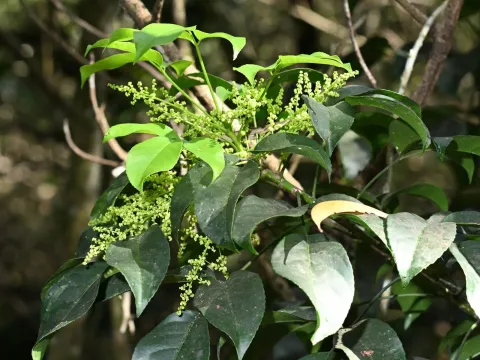
Bischofia (Bischofia Blume) is a genus of trees belonging to the Phyllanthaceae family, known for their rapid growth and broad, spreading canopies. These trees are typically evergreen or deciduous, characterized by trifoliate leaves and small, dense inflorescences.
What the section contains
Bischofia
The genus originates from tropical regions of Asia and the Pacific, specifically inhabiting moist lowland forests and riparian zones. Its natural habitat suggests a preference for regions with significant annual rainfall and stable, warm temperatures throughout the year.
Regarding cultivation requirements, Bischofia needs well-drained, fertile soils to thrive. It does not tolerate waterlogging, as the root system is sensitive to anaerobic conditions, making proper soil site preparation and irrigation management essential for health.
The climate must be tropical or subtropical, as the species is highly susceptible to frost damage. It requires full sun to partial shade, with exposure to direct light playing a critical role in determining the density and structural integrity of the canopy.
Economically, the tree is highly valued for its durable and decay-resistant timber. In urban forestry, it is often utilized for its ability to provide significant shade and aesthetic appeal, making it a common choice for landscaping in tropical urban environments.
The primary threats to Bischofia include various fungal pathogens that thrive in high-humidity environments. Root rot and leaf spot are common issues that occur when soil drainage is poor or when plant spacing does not allow for adequate airflow.
Pest threats primarily include wood-boring beetles and certain defoliating caterpillars that can compromise the tree's health. Integrated pest management, including regular inspection and the removal of deadwood, is the most effective way to protect commercial and ornamental stands.