
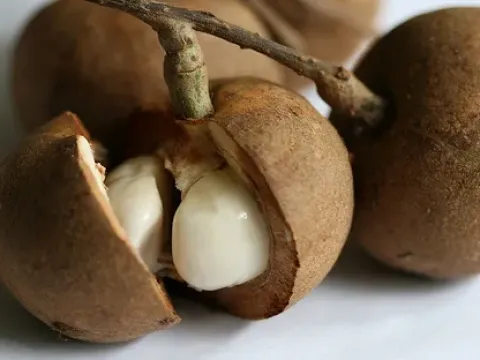
Baccaurea macrocarpa
Baccaurea macrocarpa
Baccaurea macrocarpa, commonly known as a type of Burmese grape or rambai relative, is a tropical evergreen tree belonging to the Phyllanthaceae family. It can grow up to 25 meters tall and features a dense, spreading canopy with leathery, elliptical leaves.
What the section contains
Baccaurea macrocarpa
Native to Southeast Asia, including Malaysia and Indonesia, the species thrives in humid tropical rainforest environments. It requires constant high temperatures and consistent rainfall to achieve optimal growth and fruit production.
The tree prefers deep, fertile soils that are rich in organic matter. Proper soil drainage is critical, as the plant cannot tolerate waterlogged conditions, which lead to root asphyxiation and rapid decline of the specimen.
In terms of agricultural management, the tree needs protection from strong, desiccating winds during its juvenile stage. As it matures, it establishes a more robust canopy that provides self-shading for the trunk and lower branches.
The fruit is highly valued for its sweet-and-sour translucent pulp. Beyond its local culinary use, the tree serves an ornamental purpose in tropical landscapes due to its impressive clusters of fruits hanging directly from the trunk.
Fungal diseases constitute the primary threat to Baccaurea macrocarpa, especially in regions with excessive seasonal rainfall. Leaf spot pathogens can thrive in high humidity, causing premature defoliation.
Various sucking insects, such as mealybugs and scale insects, frequently infest the shoots and young fruit clusters. These pests weaken the host tree and often attract secondary infestations, such as sooty mold.
Boring insects can sometimes damage the trunk, which is particularly problematic for this species due to its cauliflorous nature. Trunk integrity is vital as it directly supports the weight of the fruit harvest.
Root rot is a major risk factor if the site selection ignores soil permeability. Once established in the rhizosphere, fungal pathogens like Phytophthora are difficult to eradicate and can kill mature trees.
Effective management includes maintaining a clean orchard floor and implementing biological controls to keep pest populations below the economic injury level without excessive chemical use.
Harvesting Baccaurea macrocarpa is a labor-intensive process due to the cauliflorous habit of the tree. Workers must exercise caution while picking clusters from the main trunk to avoid injuring the bark.
The fruits must be harvested when they reach full maturity, indicated by a change in skin color and slight softening. Testing a sample from each cluster ensures that the fruit has attained the desired sugar content.
Since the fruits have thin rinds, they are susceptible to bruising and rapid moisture loss. Hand-picking is the standard method, and workers use padded containers to protect the crop during transport.
Ripening occurs asynchronously, necessitating multiple harvest rounds. This strategy is beneficial for smallholders as it provides a steady supply of fresh fruit over an extended period of time.
Post-harvest handling is critical for maintaining quality. The fruits are typically kept in shaded, well-ventilated areas and sold quickly, as they lack the thick skins necessary for long-distance shipping.