
Antidesma puncticulatum
Antidesma puncticulatum
Antidesma puncticulatum is a plant species belonging to the family Phyllanthaceae. It is native to tropical regions of Southeast Asia, thriving in diverse forest ecosystems and coastal areas.
What the section contains
Antidesma puncticulatum
The plant requires a warm tropical climate to thrive, showing sensitivity to prolonged cold temperatures. Consistent high humidity levels are essential for maintaining the health of the foliage throughout the growing season.
In terms of soil, it prefers well-drained, nutrient-rich loams. Adequate aeration is vital to prevent root distress, as the plant does not tolerate waterlogged soil conditions typical in heavy clay environments.
Botanically, it is characterized by evergreen, leathery leaves with distinctive tiny spots, contributing to its scientific name. It typically grows as a tree or a large shrub with a dense canopy structure.
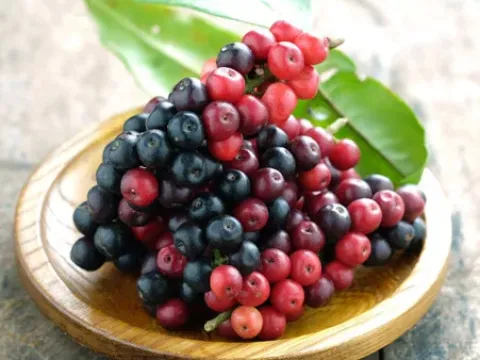
The economic value of Antidesma puncticulatum lies in its edible fruits, which are traditionally harvested and utilized in local food processing, including the production of preserves and beverages.
Common threats to this species include infestation by scales and aphids, which frequently target young tender leaves. Regular monitoring of the canopy is recommended to manage these insect populations.
Fungal diseases, such as leaf spot, are prevalent in environments with high humidity and stagnant air. Proper spacing and pruning are necessary to maintain adequate airflow around the branches.
Root rot caused by Oomycetes or various fungi represents a significant threat when soil drainage is compromised. Improving site drainage is the primary defense strategy against these pathogens.
Integrated pest management, including the use of horticultural oils and promoting beneficial insect populations, is the most effective approach for sustaining healthy crops.
Environmental stress, such as extreme heat or drought, can weaken the plant's natural defenses, making it more susceptible to opportunistic pathogens and secondary infestations.