
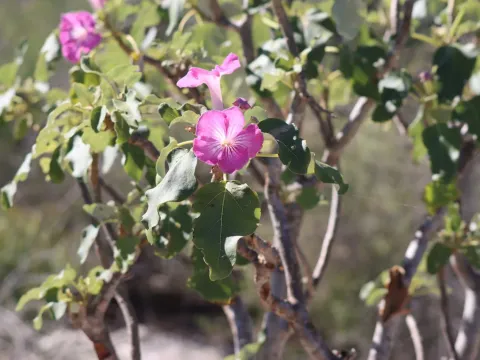
Uncarina
Uncarina
Seed propagation of Uncarina should ideally be scheduled for early spring to ensure the seedlings benefit from increasing daylight. Starting in March or April is considered optimal for healthy development.
What the section contains
 Uncarina ankaranensis
Uncarina ankaranensis
Uncarina ankaranensis
 Uncarina decaryi
Uncarina decaryi
Uncarina decaryi
 Uncarina grandidieri
Uncarina leptocarpa
Uncarina leptocarpa
Uncarina grandidieri
Uncarina grandidieri
Uncarina leptocarpa
Uncarina leptocarpa
 Uncarina peltata
Uncarina peltata
Uncarina peltata
 Uncarina perrieri
Uncarina perrieri
Uncarina perrieri
 Uncarina roeoesliana
Uncarina roeoesliana
Uncarina roeoesliana
 Uncarina stellulifera
Uncarina stellulifera
Uncarina stellulifera
Uncarina
To improve germination rates, it is recommended to scarify or soak the seeds in warm water for several hours before planting. This helps soften the tough outer shell and activates the embryo.
Use a sterile, well-draining substrate composed of coarse sand, perlite, and a small amount of peat. Avoid heavy garden soil, as it retains too much moisture for delicate young seedlings.
Sow the seeds at a shallow depth, covering them with a light layer of substrate. Maintain consistent moisture and a temperature range of 25–28 degrees Celsius to facilitate faster sprouting.
Once seedlings develop their first true leaves, they should be carefully transplanted into small individual containers. This prevents root crowding and allows for easier monitoring of individual plant health.
Uncarina belongs to the Pedaliaceae family and is native to Madagascar. These plants are recognized by their woody stems and, in many species, a thick caudex that stores moisture for drought survival.
They require intense, direct sunlight to maintain their natural shape. Without adequate light, the plants become etiolated, weak, and susceptible to various pests, losing their structural integrity.
The ideal potting medium must be highly porous. A mixture designed for cacti and succulents is usually sufficient, provided that a drainage layer is included at the bottom of the pot.
Watering requires strict discipline: the substrate must dry out significantly between watering intervals. During the winter months, watering should be drastically reduced to induce a period of dormancy.
Climate control is crucial, as the plant prefers stable, warm conditions. Protect it from cold drafts, and ensure the surrounding temperature stays above 15 degrees Celsius during the active growing season.
Root rot is the most common issue facing Uncarina, typically caused by improper watering habits. If the roots remain wet for too long, they will decay, leading to the rapid decline of the plant.
Spider mites are frequent visitors, especially in dry, warm indoor environments. These pests feed on the leaves, causing stippling and yellowing, and can be managed with specific acaricides.
Mealybugs are another common threat that clusters in the crevices of the leaves and stems. These can be removed manually with a cotton swab soaked in alcohol or treated with systemic pesticides.
Scale insects may attach themselves to the stems, causing localized damage and weakening the plant. Regular inspection of the plant architecture helps in identifying these pests before an infestation spreads.
Fungal diseases can occur if the plant is grown in poorly ventilated conditions with high humidity. Proper airflow and sunlight are essential preventive measures to maintain plant hygiene.