
Uncarina roeoesliana
Uncarina roeoesliana
Description
Growing requirements
Uncarina roeoesliana is a fascinating succulent belonging to the Pedaliaceae family. It is endemic to Madagascar, thriving in semi-arid environments where it has evolved to store water in its woody, thickened stem, known as a caudex.
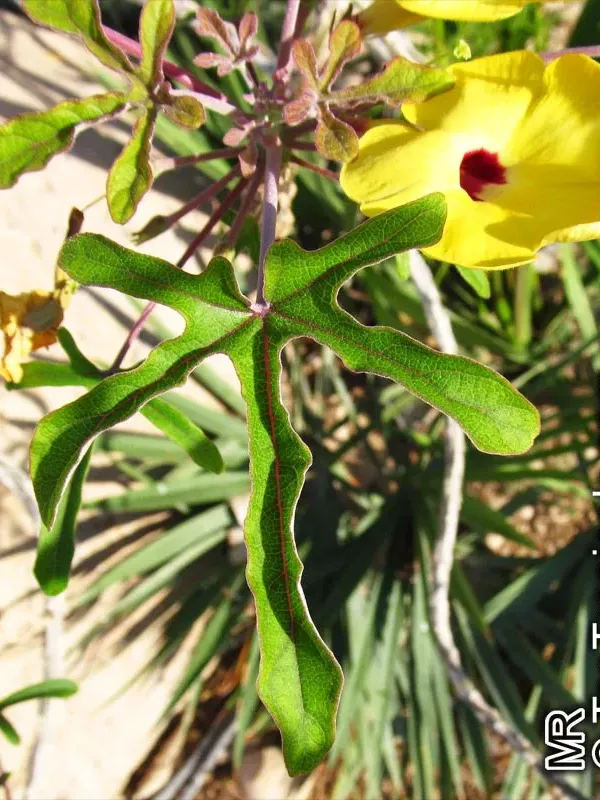
The plant is prized for its yellow, trumpet-shaped flowers and its unique, hairy foliage. Its survival strategy in the wild relies on high heat tolerance and the ability to endure extended periods of drought through metabolic dormancy.
Cultivation requires a location with intense, direct sunlight. In a controlled agricultural or horticultural setting, the plant must be positioned in the brightest available spot to maintain its structural integrity and encourage regular blooming.
Soil composition is critical for long-term health. A highly porous, mineral-based potting mix is essential. The medium should consist of coarse sand, pumice, and a small fraction of organic matter, ensuring rapid drainage after irrigation.
Temperature management involves keeping the plant warm during the growing season, ideally between 22°C and 28°C. During the winter dormancy phase, temperatures should be lowered to allow the plant to rest, ensuring no moisture sits in the root zone.
Main diseases and pests
Root rot is the primary physiological threat to Uncarina roeoesliana. This condition is almost exclusively caused by overwatering or the use of heavy, water-retentive soils that prevent the necessary gas exchange at the root level.
Pests, particularly spider mites and mealybugs, are frequent offenders in indoor environments. These pests thrive in dry air, frequently hiding in the dense hair covering the plant's surface, making them difficult to detect early on.
To maintain plant health, growers should practice strict moisture control. The soil must be completely dry for several days before the next watering session is initiated, effectively simulating the plant's natural arid habitat.
Integrated pest management should include regular inspection and the use of insecticidal soaps or systemic treatments when an infestation is identified. Environmental modification, such as increasing air circulation, is a key preventative measure.
Maintaining a clean growing space and removing fallen leaves or debris from the soil surface significantly reduces the risk of fungal proliferation. Consistency in the maintenance cycle is the foundation of successful cultivation for this species.