
Japanese sesame
Sesamum japonicum
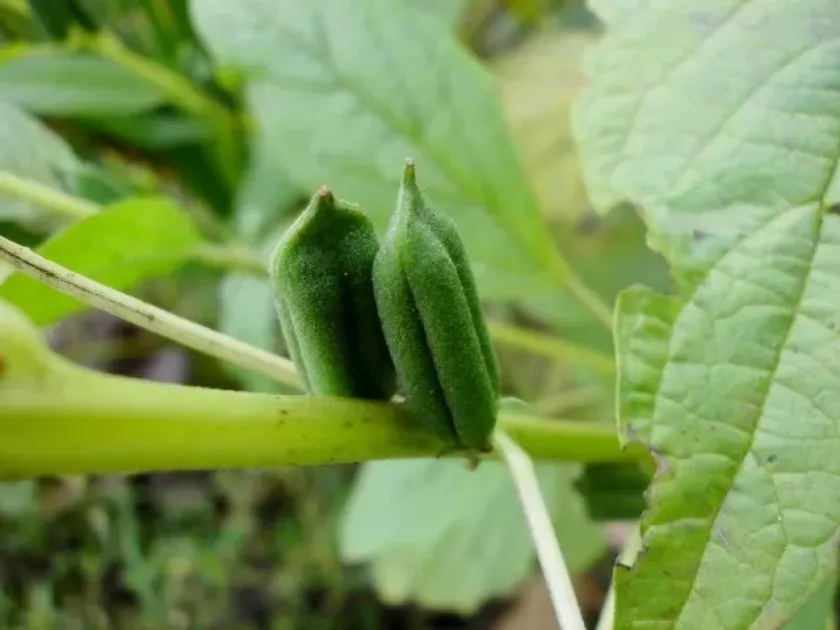
Description
Sowing dates
Japanese sesame is a thermophilic crop that requires consistent soil warming for successful seed germination. The optimal sowing time is when the soil temperature reaches +18...+20°C at a depth of 10 cm.
In regions with temperate climates, sowing is performed in late May to avoid late frosts that are lethal to young seedlings. Late planting may result in reduced yields due to a shortened vegetative period.
Seeds are sown in rows with 45–60 cm between them to ensure optimal plant illumination. The seeding depth depends on the soil type and typically ranges from 2 to 4 cm.
To ensure uniform emergence, it is necessary to maintain sufficient moisture in the seedbed. If the topsoil is dry, light rolling after sowing may be applied to improve soil-seed contact.
The plant density in commercial farming should be about 200,000 to 300,000 plants per hectare to form a robust stand.
Growing requirements
Japanese sesame belongs to the Pedaliaceae family and is an annual herbaceous plant. The crop is extremely demanding of intense solar radiation throughout its entire growth cycle.
Maximum yields are achieved in well-drained sandy loam or loam soils with a light mechanical composition. Waterlogging and high soil acidity are unacceptable, as the root system is sensitive to oxygen deficiency.
The crop possesses high drought resistance, yet it requires moderate moisture during critical development phases, such as flowering and seed filling. Excessive rainfall during the ripening period reduces oil content.
The optimal air temperature for healthy growth and development ranges between +25...+30°C. Sudden temperature fluctuations and cold winds can negatively affect the rate of photosynthesis.
Agronomy involves regular inter-row cultivation to control weeds and improve soil aeration. Since the plant grows slowly in the early stages, timely weeding is crucial for success.
Yield
The yield of Japanese sesame directly depends on agronomic practices, variety traits, and seasonal weather conditions. On average, yields vary between 0.8 and 1.5 metric tons of seeds per hectare.
Peak productivity is attained through the use of high-quality seeds and balanced mineral fertilizers. Providing plants with microelements during the capsule formation stage plays a vital role.
Yield potential can only be fully realized by following a crop rotation scheme, where cereals are considered the best predecessors. Continuous monocropping for more than two years leads to the accumulation of soil-borne pathogens.
To increase marketable output, it is necessary to minimize harvest losses by using specialized headers. Uniform ripening of the capsules is a key factor in preserving yield potential.
Implementing intensive irrigation technologies in arid regions can boost crop yields to 2 metric tons per hectare or more.
Main diseases and pests
The primary pests affecting sesame are cotton bollworm larvae, which damage leaves and ovaries. Aphids and various mite species can also cause significant harm by sucking juices from young plant organs.
Among fungal diseases, Fusarium wilt and Alternaria leaf spot are the most dangerous. Infections often affect crops in conditions of high humidity and poor ventilation within dense stands.
Waterlogging and poor crop rotation promote the development of root rots. Prevention involves seed treatment with systemic fungicides before planting.
To control pests during the growing season, insecticides are applied in accordance with safety regulations. It is important to observe pre-harvest intervals when using chemical agents.
- Regular monitoring of fields for signs of infection.
- Maintaining spatial isolation from other Solanaceae and Malvaceae crops.
- Using resistant sesame varieties.
- Eliminating weeds that serve as reservoirs for viruses and pests.
Harvesting
Harvesting Japanese sesame is the most critical stage of production and requires timely execution. Harvesting begins when the leaves turn yellow and the lower capsules start to dry and change color.
Premature harvesting results in immature seeds, reducing oil content and germination rates. Delaying the harvest leads to capsule shattering and mass seed shedding on the ground.
In commercial operations, desiccation is often used to ensure uniform drying of the plants. This allows for timely harvesting and minimizes grain loss during threshing.
After threshing, seeds must be cleaned and dried to a moisture content of 7–9%. Storing at higher moisture levels leads to self-heating and rapid quality degradation.
Sesame seeds are sensitive to storage conditions and should be kept in dry, ventilated areas protected from storage pests. Proper storage ensures the preservation of valuable essential oils and antioxidants.