
Uncarina peltata
Uncarina peltata
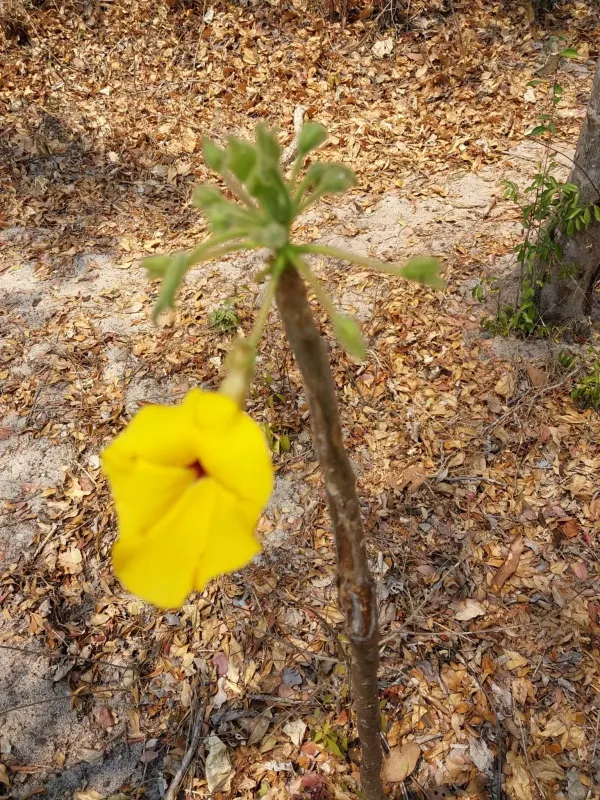
Description
Growing requirements
Uncarina peltata is a remarkable succulent species belonging to the Pedaliaceae family. It is native to the arid regions of Madagascar, where it has evolved to thrive in harsh, dry environments.
The plant is characterized by its woody, caudiciform stem, which acts as a water storage organ. Its leaves are peltate in shape, covered with fine, often sticky hairs that protect the plant from direct heat and pests.
In terms of cultivation, Uncarina peltata requires high light intensity to maintain its compact growth habit. It is an exotic plant that should be grown in containers in temperate regions, away from frost.
The soil requirements involve a well-draining, mineral-rich substrate. A typical mix should consist of loam, coarse sand, and grit to ensure that water does not remain near the roots for extended periods.
Care during the growing season includes regular watering once the substrate is dry. However, the plant enters a dormant phase in winter, during which time it must be kept dry to ensure survival.
Main diseases and pests
Root rot is the most common threat to Uncarina peltata, almost exclusively caused by overwatering or poorly draining soil mixtures.
Spider mites are common pests that appear when indoor conditions become too dry, causing yellowing and webbing on the leaves.
Mealybugs can also infest the plant, hiding in the crevices of the branches and leaf attachments, which weakens the specimen.
Improper winter storage, especially when combined with moisture, can lead to irreversible decay of the succulent caudex.
Integrated pest management, including regular inspection and the use of appropriate pesticides, is essential for healthy growth.