
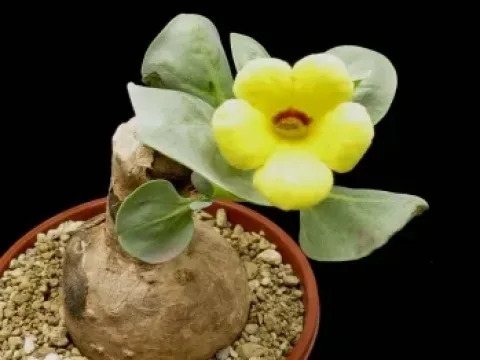
Pterodiscus
Pterodiscus
Pterodiscus is a fascinating genus within the Pedaliaceae family, characterized primarily by its succulent caudex. This storage organ allows the plant to accumulate moisture, making it highly resilient in its native habitats across arid regions of Africa.
What the section contains

Pterodiscus
The natural range of this culture includes dry savannas and semi-desert areas. Consequently, the plant has evolved to thrive under conditions of intense solar radiation and minimal annual precipitation, requiring specific care when grown in non-native environments.
Cultivation requirements necessitate a highly porous, gritty substrate that ensures rapid drainage. A mixture dominated by mineral components, such as pumice, sand, and small amounts of volcanic rock, is essential to mimic their natural rocky growing environment.
Sunlight is the most critical factor for the structural integrity of the caudex. Plants must be placed in a location with high light intensity to ensure they remain compact and healthy, as insufficient light will lead to etiolated, weak growth.
Temperature management follows a strict seasonal pattern. During the active growth season, high heat is beneficial, but during the dormant winter period, temperatures must be kept cooler and watering should be completely suspended to maintain the plant's health.
The most significant threat to Pterodiscus is root and caudex rot caused by stagnant moisture. Once the soft tissues of the caudex are compromised by fungal decay, recovery is extremely difficult for the plant.
Pests like mealybugs represent a common challenge. These insects tend to colonize the crevices of the caudex and the base of the leaves, where they are difficult to reach with standard contact insecticides.
Spider mites are another common nuisance, particularly in environments with poor air circulation and low humidity, which are often mistakenly equated with the dry environment of the plant's native origin.
Management involves proactive monitoring and the use of systemic pesticides if an infestation is detected. It is crucial to ensure that any chemical treatment is safe for succulent tissues to avoid phytotoxicity.
Disease prevention is primarily achieved through excellent horticultural practices, such as ensuring proper airflow around the plant and maintaining strict adherence to the dry winter dormancy cycle.