
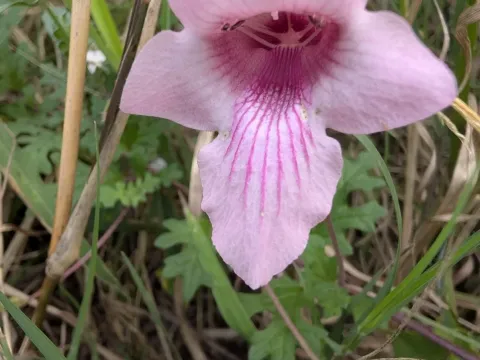
Dicerocaryum
Dicerocaryum
Dicerocaryum is a highly drought-tolerant plant, and its sowing dates are typically synchronized with the beginning of the rainy season in its native regions. The optimal time for planting is when the soil temperature consistently exceeds 20-22 degrees Celsius.
What the section contains

Dicerocaryum
Sowing is performed in rows, ensuring adequate space for each plant, as the species tends to branch significantly. Seeds should be planted at a depth of 2–3 centimeters, allowing for rapid germination immediately following initial rainfall.
Avoiding the risk of late frost is critical, as seedlings are extremely sensitive to low temperatures. Farmers aim to utilize the moisture from the first rains to jumpstart the vegetative phase effectively.
Planting density is adjusted based on soil type and available moisture, typically maintaining 30 to 50 centimeters between plants in a row. This spacing helps prevent resource competition during dry spells.
Utilizing high-quality, high-vigor seed material is essential for achieving uniform emergence under the harsh conditions of its typical arid habitat.
Dicerocaryum belongs to the Pedaliaceae family and is closely related to sesame. It thrives in semi-arid environments and savannas, preferring sandy or loamy soils with excellent drainage properties.
This crop is highly demanding in terms of light intensity and does not tolerate shading. Its well-developed root system allows it to access deep soil moisture, contributing to its resilience against prolonged drought.
The optimal soil pH for Dicerocaryum growth ranges from 6.0 to 7.5. Soils must not retain excessive moisture, as waterlogging leads to rapid decay of the root collar.
In cultivation regions, the crop demonstrates a high degree of tolerance to saline soils, which is a significant advantage over many traditional oilseed species.
The temperature optimum for vegetation is 25–35 degrees Celsius; lower temperatures significantly slow down growth rates, while high humidity may increase susceptibility to fungal infections.
The primary value of the crop lies in its seeds, which contain a significant percentage of high-quality vegetable oil. Yields vary greatly depending on rainfall patterns and substrate fertility.
When managed properly, farming operations can achieve stable seed yields comparable to sesame in similar environments. The fruits are characteristic capsules with sharp protrusions that protect the seeds from damage.
Industrial applications include the production of edible oil and technical feedstock for the cosmetics industry. The seeds are nutritionally rich and contain essential fatty acids.
In addition to the seeds, parts of the plant are traditionally used in folk medicine and as livestock fodder, which enhances the overall economic return of the crop.
Yield potential can only be realized through proper crop management, particularly timely weed control during the early stages of plant development.
The main threats to Dicerocaryum crops are fungal root diseases, which typically arise from soil waterlogging. Mitigation is achieved by selecting sites with superior drainage.
Among pests, leaf-eating insects and specific mite species cause the most damage, particularly in high-humidity conditions. Regular monitoring allows for the early containment of localized infestations.
Nematodes can also pose a serious risk to young plants, causing stunted growth and reduced fertility. Crop rotation with non-susceptible species is a primary management strategy.
Seed molding during maturation is possible if late rains occur, making the purity of seeds and appropriate post-harvest storage conditions vital for quality preservation.
Implementing integrated pest management (IPM) allows farmers to minimize losses without significantly disrupting the ecological balance of the growing region.
Harvesting is performed during full capsule maturity, when they turn a distinct brownish color. It is critical to avoid over-drying, which can lead to capsule splitting and seed loss in the field.
On a commercial scale, mechanized harvesting using combines adjusted for small-seeded oil crops is standard. Cleaning the seeds from plant debris should be conducted immediately after harvesting.
Traditional methods involve manual cutting of plants, drying them in windrows under the sun, and subsequent threshing. This approach ensures the most gentle handling of the seeds.
After threshing, seeds must be thoroughly dried to a moisture content of no more than 8-10%, which is mandatory for long-term storage and spoilage prevention.
Effective post-harvest processing preserves oil quality and increases the market value of the Dicerocaryum commodity batch.