
Uncarina grandidieri
Uncarina grandidieri
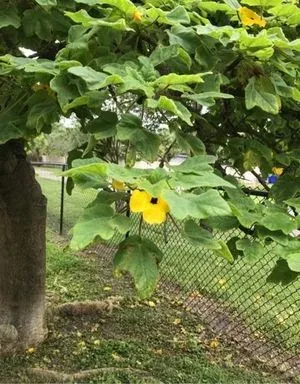
Description
Growing requirements
Uncarina grandidieri is a remarkable member of the Pedaliaceae family, native to the diverse landscapes of Madagascar. Known for its thick, woody trunk and large, vibrant flowers, it serves as a stunning example of succulent adaptation to arid environments.
The plant requires full sun exposure to maintain its compact and healthy structure. In indoor cultivation, placing it in a south-facing spot or using supplemental LED grow lights is essential to prevent etiolation and promote proper flowering cycles.
Climate requirements include high warmth throughout the growing season. The plant thrives when temperatures are kept between 22 and 30 degrees Celsius. It is vital to protect the specimen from any frost, as temperatures below 10 degrees Celsius can cause significant physiological damage.
A well-draining soil medium is non-negotiable for this species. A blend of coarse sand, perlite, and a small amount of potting soil works best to ensure that water drains away from the roots quickly, replicating the well-aerated soils of its natural habitat.
Watering practices should follow the "soak and dry" method. During the active growth phase, water only when the substrate is completely dry. In winter, the plant enters dormancy, requiring almost complete dryness to survive the colder months successfully.
Main diseases and pests
Root rot is the most frequent and deadly threat to Uncarina grandidieri. It is almost always a result of overwatering or inadequate soil drainage, causing the caudex to rot from the inside out, which is often difficult to treat once discovered.
Pests like spider mites and mealybugs are common adversaries in indoor or greenhouse settings. These tiny insects feed on the sap, causing leaf yellowing and stunted growth. Regular inspection of leaf undersides is a critical part of a successful care routine.
Scale insects can also attach themselves to the stems and branches. These pests are best managed by manual removal using a cotton swab dipped in isopropyl alcohol, followed by an application of insecticidal soap if the infestation is widespread.
Excessive humidity combined with stagnant air can lead to fungal infections. Ensuring good airflow around the plant helps mitigate the risk of mold and leaf spot diseases, which thrive in damp, enclosed environments.
Finally, avoid cold drafts, which can cause the plant to shed its leaves prematurely. A stressed plant is significantly more susceptible to opportunistic pathogens, so maintaining a stable environment is key to long-term plant health.