


Reference · Crops
Sesame
Sesamum
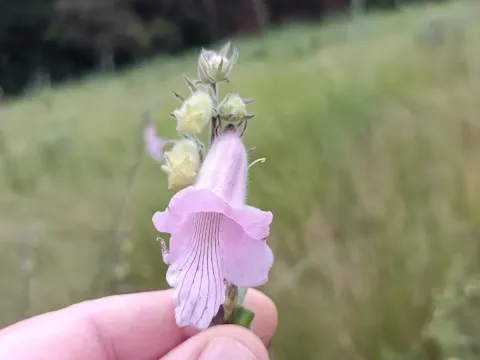
Sesame (Sesamum indicum) is a warm-season annual crop belonging to the Pedaliaceae family. It is known for its high adaptability to hot and dry environments.
1
items
What the section contains
Marketplace
Products in this section · 3


Sesame
Sowing should take place when soil temperatures consistently reach 18–20°C. Planting into cold soil can result in poor germination and increased susceptibility to soil-borne pathogens.
Seeds are sown at shallow depths, typically 2–3 cm, as the seedlings have limited energy to push through deep soil layers. Precision seeding is required for optimal population density.
Row spacing typically ranges from 45 cm to 60 cm. This spacing allows for mechanical weeding and ensures that each plant receives adequate space, light, and nutrients.
Proper timing is essential to ensure that the growing season aligns with the warmest part of the year, maximizing the crop's development before cooler autumn temperatures arrive.
Sesame requires significant heat throughout its lifecycle. It thrives in tropical and subtropical regions, needing a long growing season with high accumulation of growing degree days.
While the crop is highly drought-tolerant, it requires sufficient moisture during the critical germination and flowering stages to ensure good pod formation.
The ideal soil is well-drained, fertile, and light-textured. Heavy, waterlogged soils are detrimental as they restrict root development and lead to diseases such as root rot.
Sesame is a short-day plant, meaning its flowering process is influenced by the length of the day. Exposure to full sunlight is critical for high yields and oil content.
Soil fertility management is crucial; although sesame can grow in poor soils, supplemental nitrogen and phosphorus are often needed to reach commercial production levels.
Average yield for sesame varies widely, typically ranging from 800 to 1,500 kilograms per hectare depending on the variety and local climatic conditions.
Yield potential is largely determined by the number of capsules produced per plant, which is influenced by soil nutrition and irrigation management during the flowering stage.
Under intensive management systems and optimal irrigation, yields can exceed 2 tons per hectare, making it a potentially profitable crop for warm climate farmers.
Harvest losses represent the most significant challenge to realized yield. Because capsules shatter easily when mature, timing the harvest correctly is essential.
Selecting high-yielding, non-shattering cultivars has become a standard approach for modern commercial farmers aiming to minimize field losses during the harvesting process.
Sesame is susceptible to several pathogens, including fungal infections like Fusarium wilt and bacterial diseases that thrive in overly humid environments.
Insect pests can severely impact the quality of the seeds. Common threats include the cotton bollworm, aphids, and whiteflies, which require integrated pest management strategies.
- Root rot: Caused by excessive moisture and poor drainage.
- Leaf spot: Results in reduced photosynthetic capacity of the plant.
- Capsule borer: Larvae penetrate the seed pods, consuming the ripening seeds inside.
Crop rotation is the most effective preventative measure. Avoiding planting sesame on the same land for multiple seasons helps break the life cycles of common pests and diseases.
Regular field scouting is necessary to identify outbreaks early, allowing for targeted chemical or biological intervention before the damage becomes irreversible.
Harvesting sesame is notoriously difficult due to the dehiscence (shattering) of capsules. Farmers must act precisely when the leaves begin to yellow and pods turn brown.
The traditional method involves cutting the stalks and tying them into bundles to dry in the field, allowing the pods to ripen fully before manual threshing.
Modern mechanized harvesting often involves the use of chemical desiccants to dry the plants uniformly, allowing combine harvesters to process the crop efficiently.
Once harvested, the seeds must be cleaned and dried to a moisture content of less than 6% to prevent rancidity and ensure long-term storage viability.
Proper handling after harvest is vital, as the high oil content of the seeds makes them highly sensitive to moisture and heat, which can cause rapid spoilage if not stored correctly.