
Uncarina ankaranensis
Uncarina ankaranensis
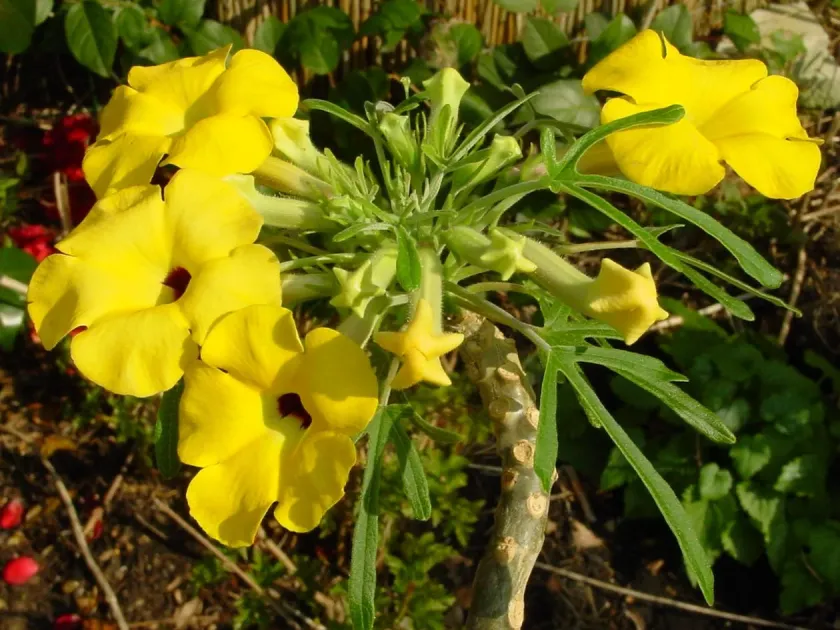
Description
Growing requirements
Uncarina ankaranensis is a distinctive species within the Pedaliaceae family. It is endemic to the limestone karst landscapes of the Ankarana region in northern Madagascar, which serves as a highly specialized habitat for this unique caudiciform plant.
The plant is characterized by its thickened, water-storing stem known as a caudex. This adaptation allows the plant to survive prolonged dry seasons in its native environment, making it a popular choice for succulent collectors worldwide.
Cultivation of this species demands high levels of solar radiation. To maintain a compact and healthy form, Uncarina ankaranensis requires as much direct sunlight as possible throughout the active growing season.
The soil requirements are strict: the substrate must be highly porous and inorganic. A mix comprising pumice, coarse sand, and a minimal amount of loam ensures the rapid drainage necessary to prevent root suffocation.
Climatic requirements involve high summer temperatures ranging from 25°C to 30°C, followed by a mandatory cool, dry winter dormancy period. During this dormant phase, leaves will drop naturally, and the plant must be kept dry to prevent rot.
Main diseases and pests
Spider mites are the most common pests affecting this plant, especially when kept in dry indoor environments where air circulation is limited. These pests can rapidly damage the leaves and weaken the overall structure.
Mealybugs represent another significant threat, often colonizing the crevices of the caudex and the leaf axils. Physical removal or the application of specialized horticultural oils can assist in management.
Root rot is the most dangerous condition for Uncarina ankaranensis. It is almost exclusively caused by overwatering during the cooler months or by using soil that retains moisture for too long.
Fungal infections can also occur if the humidity remains too high and the plant is not provided with sufficient air movement, leading to spots on the foliage or stems.
Implementing a rigorous monitoring schedule and maintaining a strictly dry winter environment are the primary defenses against these biological threats, ensuring the long-term health of the succulent.