
Uncarina stellulifera
Uncarina stellulifera
Description
Growing requirements
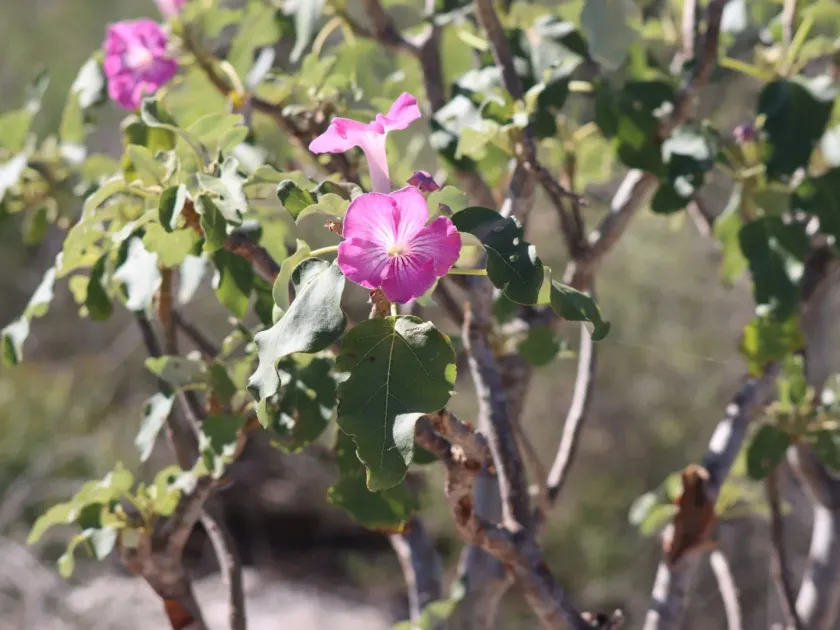
Uncarina stellulifera is a distinguished member of the Pedaliaceae family, native to the diverse ecosystems of Madagascar. Known as a caudiciform plant, it develops a large, thickened trunk that serves as a vital reservoir for water, allowing the species to survive the harsh arid conditions of its natural habitat.
The culture thrives in tropical environments and demands high levels of sunlight. To maintain its compact form and ensure healthy growth, the plant should be situated in an area with maximum light exposure. Insufficient lighting often results in etiolation, where the stem becomes weak and loses its structural integrity.
Soil composition is of paramount importance for the health of this species. A highly porous and well-draining medium is required to prevent water accumulation near the root system. A mixture of pumice, coarse sand, and a small portion of organic loam is typically recommended to mimic the stony substrates found in its native range.
Temperature management is crucial throughout the year. The plant requires warmth for active metabolic processes during the growing season, ideally between 22°C and 30°C. In the winter months, when the plant enters dormancy and often sheds its foliage, it should be kept in a dry environment with temperatures remaining above 15°C.
Irrigation must be precise and tailored to the plant's seasonal needs. During the active growth period, water should be applied only when the substrate is completely dry. In contrast, during the dormant phase, water should be strictly limited to prevent the internal tissue of the caudex from rotting due to cold-wet conditions.
Main diseases and pests
The most significant threat to the health of Uncarina stellulifera is root and stem rot. This condition is primarily induced by improper agricultural practices, such as over-watering or utilizing soil with inadequate drainage, which suffocates the roots and promotes the growth of pathogenic fungi.
Pest infestation by spider mites is a common challenge, especially in indoor environments with dry air. These microscopic pests feed on plant cell contents, causing characteristic mottling and yellowing of the leaves. Regular misting or monitoring for fine webbing can help in early detection.
Mealybugs are another recurring issue, as they cluster in the tight gaps around the stems and leaf axils. These insects feed on sap and can weaken the plant over time, making it susceptible to secondary infections or viral agents introduced through their feeding wounds.
Integrated pest management, including the use of neem oil or targeted systemic insecticides, is recommended for controlling infestations. It is essential to treat the entire plant surface, including the crevices of the caudex, where these pests often find refuge and reproduce undetected.
Maintaining proper hygiene by removing dead leaves and debris from the pot surface is a simple but effective strategy to prevent potential pest outbreaks and fungal spread. Ensuring good airflow around the plant will also minimize the risk of bacterial soft rot during high-humidity periods.