
Sesamum radiatum
Sesamum radiatum
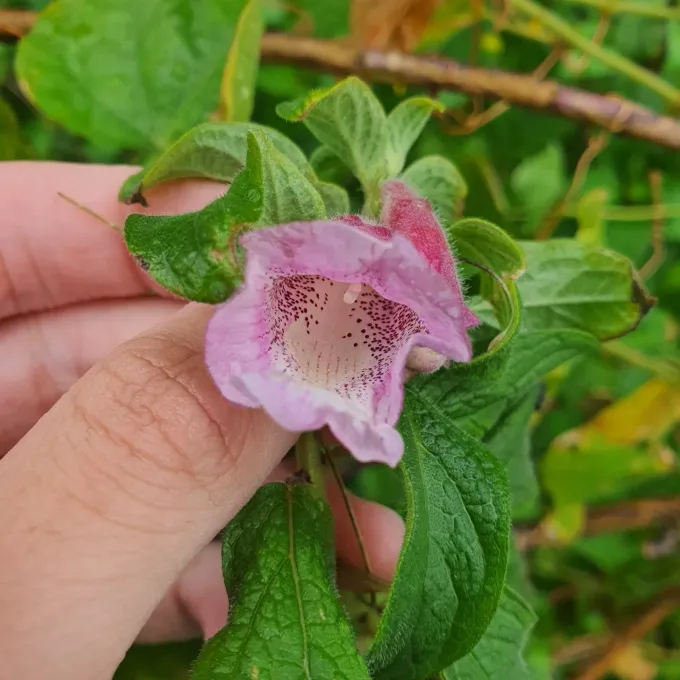
Description
Sowing dates
Sesamum radiatum is an annual herbaceous plant belonging to the Pedaliaceae family. Native to tropical Africa, this crop is valued for both its oil-rich seeds and its edible leaves, which serve as a nutritional staple in many traditional diets across the region.
Sowing typically takes place at the onset of the rainy season to ensure sufficient moisture for germination and early vegetative development. Farmers usually prepare the soil by shallow tillage to provide a fine seedbed, which is crucial for such small seeds.
Growing requirements
The plant thrives in hot and humid tropical climates, requiring high temperatures and plenty of direct sunlight throughout the growing cycle. It is highly sensitive to frost and cool temperatures, which can severely stunt its development.
Well-drained sandy loam soils are ideal for Sesamum radiatum production. It is highly susceptible to waterlogging, so fields must be situated on slightly elevated ground or properly leveled to prevent standing water during heavy downpours.
Maintenance involves regular weeding, especially during the early stages, as the plant is relatively slow to establish and can easily be outcompeted by weeds. Maintaining a weed-free field is the most important factor in ensuring healthy crop growth.
Main diseases and pests
Fungal diseases, including leaf spot and root rot, are the primary biological threats. These are often managed through crop rotation, avoiding continuous planting on the same site for more than two seasons, and ensuring proper air circulation between plants.
Insects like the sesame moth and various aphids can cause significant damage to flowers and young pods. Integrated pest management strategies, focusing on biological controls and minimal chemical intervention, are recommended for sustainable production.
Harvesting
The harvest occurs when the leaves start to yellow and the seed capsules turn brown but before they undergo natural dehiscence. Harvesting is usually performed by hand-cutting the stems and hanging them to dry before threshing to capture all mature seeds.