
Sesamum schinzianum
Sesamum schinzianum
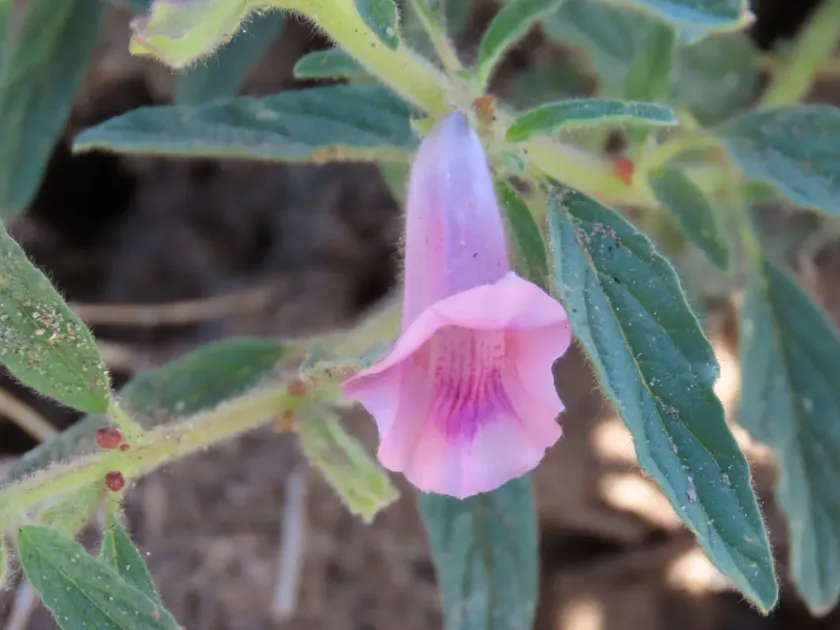
Description
Sowing dates
Sesamum schinzianum, a member of the Pedaliaceae family, is a specialized oilseed crop that thrives in arid and semi-arid environments. The sowing process must be synchronized with the onset of the warm season, ensuring that soil temperatures consistently remain above 20 degrees Celsius for optimal germination.
For best results, seeds should be placed at a depth of 2 to 3 centimeters into well-prepared, friable soil. This shallow depth allows the small seeds to establish a root system quickly while ensuring they reach surface moisture after initial irrigation or rainfall.
Planting density varies based on soil nutrient levels, typically targeting between 150,000 and 250,000 plants per hectare. Proper spacing is essential to minimize competition for resources and to facilitate mechanical field maintenance throughout the growing season.
Row cropping with spacing of 45 to 60 centimeters is recommended for this species. This configuration provides ample airflow, which is critical for reducing humidity around the stem and preventing the onset of soil-borne diseases during the development phase.
Uniformity in sowing depth and moisture control during the first three weeks of life is vital for achieving a high percentage of emergence. Seedlings that emerge simultaneously have a better chance of maturing uniformly, which significantly simplifies the harvesting process later on.
Growing requirements
This crop prefers light-textured, sandy loam soils that possess excellent drainage characteristics. Waterlogging is the primary enemy of Sesamum schinzianum; therefore, selecting fields that do not accumulate standing water after precipitation is a primary requirement for successful cultivation.
As a heliophilic species, it requires high levels of solar radiation to reach its full productive potential. Sunlight drives the photosynthetic processes necessary for the development of capsules containing the oil-rich seeds, making it highly dependent on long, sunny days.
The ideal soil pH for this sesame variety ranges from 5.5 to 7.0. While the plant shows some adaptability, extreme pH levels can inhibit the uptake of essential micronutrients, leading to chlorosis and overall poor plant vigor during the vegetative growth phase.
Water requirements peak during the flowering and capsule formation stages. While the plant is drought-tolerant, supplemental irrigation during these periods can substantially increase the final yield and oil content, provided that the water is applied without causing oversaturation.
Temperature management is key, as extreme heat exceeding 40 degrees Celsius may impact the fertility of the pollen. Therefore, balancing the planting window to avoid the peak heat of the summer during the critical reproductive phase is a crucial strategic decision for farmers.
Main diseases and pests
Pathogenic fungi, particularly those causing Fusarium wilt and root rot, represent the most significant threat to the crop. Implementing a robust crop rotation strategy, where the field is not replanted with sesame for at least three years, is the most effective preventative measure.
Leaf-eating insects, such as larvae of various moth species and leafhoppers, can cause significant damage to the foliage. Integrated pest management, which includes the use of bio-rational pesticides, is recommended to protect the crop while preserving beneficial insect populations in the field.
Poor ventilation and high humidity can lead to leaf spot infections, which impair photosynthesis and reduce the plant's overall energy production. Monitoring for early signs of lesions allows for timely intervention, such as adjusting irrigation schedules or physical weeding.
Weed management is absolutely essential during the first month of growth. Since seedlings develop slowly, they are easily outcompeted by aggressive weeds; mechanical cultivation of rows is usually sufficient to maintain a clean field until the sesame canopy closes.
Root-knot nematodes can also be problematic in fields with long histories of sesame or cotton cultivation. Selecting healthy, certified seeds and monitoring soil health parameters are fundamental to preventing the spread of soil-borne pests that can severely limit production.