
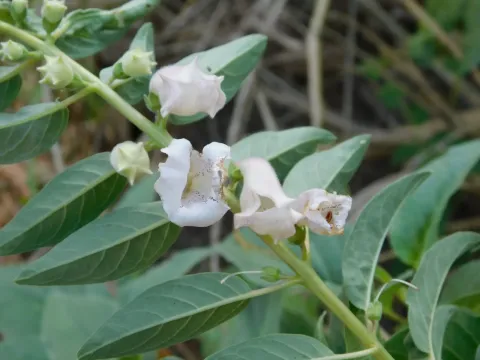
Josephinia
Josephinia
Josephinia is a genus of flowering plants belonging to the Pedaliaceae family. It is recognized for its agricultural potential, particularly in regions where drought-resistant oil-bearing crops are required.
What the section contains

Josephinia
The native distribution of this plant includes tropical parts of Australia and parts of the Indo-Pacific. It thrives in hot, arid, or semi-arid environments where it can utilize long hours of intense sunlight.
The ideal soil for Josephinia is light, sandy, and porous. Excellent drainage is non-negotiable, as the plant roots are extremely susceptible to rot under waterlogged conditions during the seedling stage.
Temperature requirements are high; the plant requires consistent warmth to reach its maturity and produce high-quality seeds. It is strictly a summer crop that cannot withstand frost or cold soil temperatures.
Agronomic practices include shallow planting to ensure rapid emergence. Farmers should avoid over-fertilizing with nitrogen, as this often promotes excessive foliage growth at the expense of seed yield and oil content.
Fungal pathogens represent the most significant threat to Josephinia crops. Diseases such as root rot and leaf blight are frequently observed when humidity levels rise unexpectedly during the growing season.
Pests typical for this genus include aphids, various thrips, and mites. These insects can cause significant damage by affecting the plant's vascular system, potentially facilitating the spread of viral diseases.
Cultural control is the most effective approach for managing threats. This includes maintaining optimal plant spacing to allow for airflow, which reduces the incidence of fungal spores settling on leaves.
Integrated Pest Management (IPM) strategies are recommended. This involves monitoring pest populations and utilizing biological predators or selective pesticides only when the threshold of damage is exceeded.
Crop rotation remains the gold standard for maintaining soil health and disrupting the life cycles of soil-borne pathogens. Rotating with non-host crops is essential for long-term production success.