
Uncarina perrieri
Uncarina perrieri
Description
Growing requirements
Uncarina perrieri is a fascinating succulent species belonging to the Pedaliaceae family. Native to the unique environments of Madagascar, this plant has evolved as a xerophyte, capable of thriving in arid conditions where water availability is highly seasonal.
The plant is defined by its substantial caudex, a swollen stem base that acts as a storage organ for water and nutrients. This structural adaptation allows Uncarina perrieri to endure extended periods of drought, which are typical of its natural habitat.
Successful cultivation requires a substrate with exceptional drainage properties, often comprised of volcanic rock, coarse sand, and a small percentage of organic matter. Proper aeration of the root zone is mandatory to prevent the accumulation of moisture that can lead to rot.
Temperature and light are critical environmental factors for this crop. It requires a warm climate with temperatures staying above 15°C throughout the year, and high levels of direct solar radiation to maintain its compact growth habit and promote annual flowering cycles.
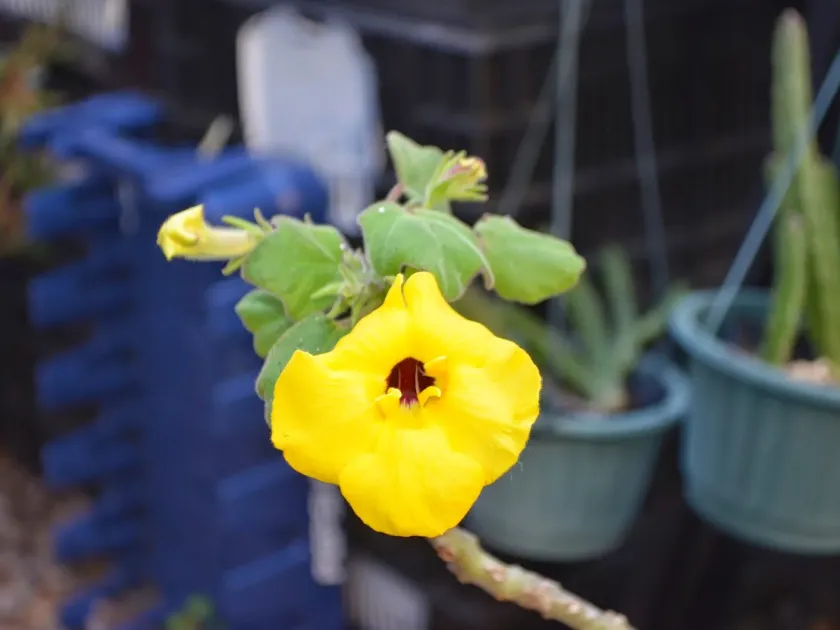
In terms of agricultural and horticultural use, Uncarina perrieri is primarily valued as an ornamental specimen in greenhouses and specialty gardens. Its aesthetic appeal lies in its rugged, architectural form and its distinctive, often bright yellow, trumpet-shaped flowers.
Main diseases and pests
The primary biotic threats to this species include infestation by spider mites and mealybugs, which tend to congregate in the axils of the leaves or on the undersides of the foliage. Integrated pest management using systemic insecticides is recommended for effective control.
Pathogenic threats are dominated by fungal rots, specifically Phytophthora and Pythium species, which thrive in waterlogged soil. To minimize these risks, cultivators must ensure a strict "dry-out" period between irrigation cycles to allow the root system to breathe.