
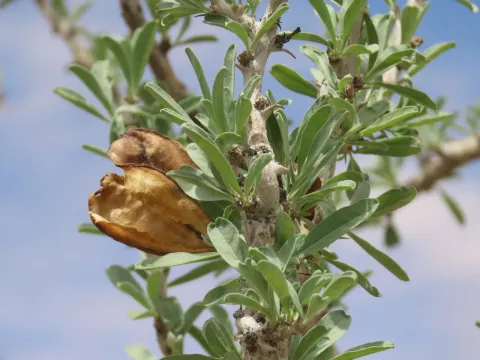
Sesamothamnus
Sesamothamnus
Sesamothamnus is a distinctive genus of woody, succulent shrubs belonging to the Pedaliaceae family. Native to the arid landscapes of East Africa, these plants are highly evolved to store water within their thickened trunks, known as a caudex, allowing them to persist in harsh, drought-prone environments.
What the section contains


Sesamothamnus
To cultivate this species successfully, growers must provide intense, direct sunlight, mimicking the conditions of its natural desert or savannah habitat. Without adequate light, the plant will become etiolated, losing the structural integrity of its succulent stems and thorns.
The thermal requirements are strictly tropical, necessitating consistent warmth during the growing season. While the plant is drought-tolerant, it remains sensitive to cold and damp conditions, which can lead to fungal infections and rapid decay of the root system.
The substrate must be highly porous and inorganic. A professional mix usually consists of 50% grit or pumice, 25% coarse sand, and 25% well-draining loamy soil. Proper drainage holes are mandatory to ensure that the plant never sits in standing water.
Watering practices should follow the plant's seasonal cycle. During the hot, active growth phase, thorough watering is allowed once the substrate has completely dried out. In contrast, during the dormant winter period, the plant requires a completely dry environment to maintain its health.
The most significant threats to Sesamothamnus include root rot caused by overwatering and high humidity. These conditions provide an ideal environment for pathogenic fungi to attack the vulnerable succulent tissues.
Pest pressures are generally low, but the plant can occasionally be infested by mealybugs or spider mites. These pests typically congregate in the protected areas between the thorns and leaf axils, where they feed on plant sap.
Preventative measures include maintaining good air circulation around the plants and avoiding water accumulation on the stem surface. If pests are detected, targeted application of appropriate insecticides is necessary to prevent systemic damage.
Abiotic stresses, such as sudden drops in temperature or insufficient light during the growth phase, can also compromise the plant's immune system, making it more susceptible to secondary bacterial infections.
Regular inspection of the root ball is recommended for container-grown specimens to ensure that the soil structure has not broken down over time, which would otherwise impede drainage and increase the risk of disease.
Seed collection is the primary method of propagation, occurring once the fruit capsules reach maturity and begin to dehisce. Harvesting should be carefully timed to ensure seeds are fully developed and viable.