
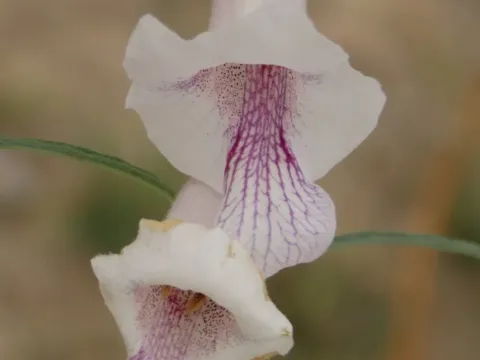
Sesamum calycinum
Sesamum calycinum
Sesamum calycinum is a herbaceous plant belonging to the Pedaliaceae family. It is a valued crop grown for its seeds, which are rich in high-quality vegetable oil and proteins, adapted to tropical environments.
What the section contains
Sesamum calycinum
Sowing should take place when the soil temperature consistently reaches at least 22°C. The seeds are small and require a finely prepared seedbed to ensure proper soil-to-seed contact for germination.
The spacing between plants is crucial for optimal development. Typically, rows are spaced 50 cm apart to allow for proper airflow and canopy development, which helps in weed suppression.
Given the tropical nature of this species, moisture management at the time of sowing is vital. If the soil is too dry, irrigation might be required to ensure uniform emergence of the seedlings.
Proper depth of sowing is 2–3 cm. Planting too deep can hinder the emergence of the delicate sprout, while planting too shallow may expose the seed to drying winds or soil surface heat.
Sesamum calycinum thrives in regions with intense solar radiation. It is a photoperiod-sensitive crop that requires long, bright days to trigger the flowering process effectively.
Well-drained, fertile sandy loam soils are ideal. The crop is highly sensitive to waterlogging, which often results in root rot and total loss of the stand within a very short period.
Temperature requirements are high throughout the growth cycle. The plant performs best in a range of 25°C to 35°C, with growth significantly slowing down when temperatures drop below 20°C.
Soil nutrient levels should be managed, specifically nitrogen and phosphorus. While the plant is hardy, yield optimization is achieved through strategic fertilization during the early vegetative stage.
The plant has a deep taproot system, allowing it to withstand moderate drought conditions. However, adequate soil moisture must be maintained during the initial stages to establish a strong root system.
The yield potential of Sesamum calycinum depends heavily on the management of flowering and pod formation. Proper nutrient supply can significantly boost the number of capsules per plant.
Harvesting usually occurs 90–120 days after sowing, depending on the variety and local climatic conditions. Indicators of maturity include the yellowing of leaves and the darkening of the pods.
Yields are measured in kilograms per hectare. In optimized conditions, the crop can provide stable production, provided that the weather remains dry during the final maturation stage.
Post-harvest handling is critical to prevent mold growth. Seeds must be dried to a moisture content of approximately 8–10% before storage to ensure long-term stability and oil quality.
Losses during harvest can be significant if the capsules shatter prematurely. Techniques such as staggered harvesting or the use of non-shattering varieties are recommended for modern production systems.
Fungal diseases such as Fusarium oxysporum are the primary threat, especially in humid and warm climates. These pathogens attack the vascular system, causing rapid wilting.
Pests, particularly pod borers, can severely impact seed quality. Larvae feed directly on the developing seeds, making the crop non-viable for food production if not controlled.
Leaf-feeding beetles can cause significant defoliation during the early stages of growth, which limits the photosynthetic capacity of the plants and subsequently reduces overall yield.
Bacterial leaf spots often appear during the rainy season. While generally not fatal, they reduce the plant's vigor and can lead to secondary infections that weaken the entire stand.
Management strategies involve crop rotation for at least 3 years to break the pathogen lifecycle, combined with the use of certified, clean seeds to avoid importing diseases to the field.