
Pelea
Pelea
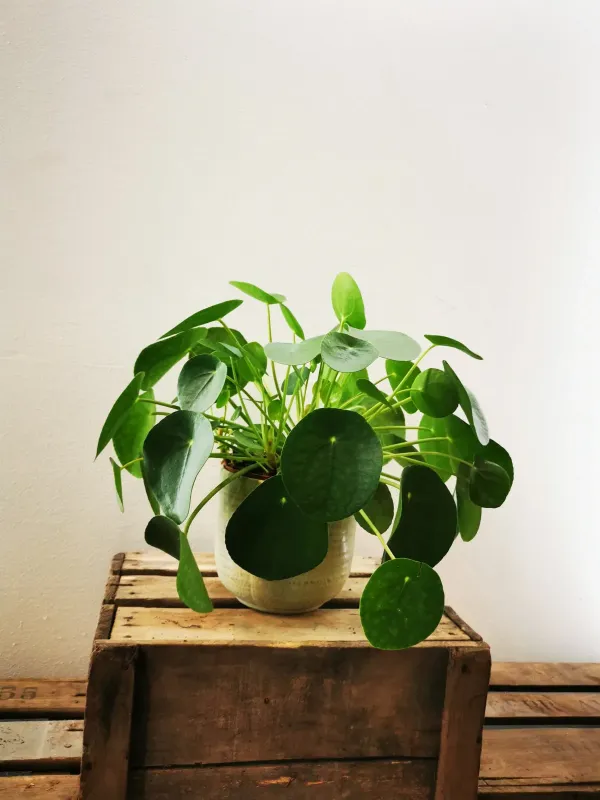
Description
Growing requirements
The genus Pelea belongs to the Rutaceae family, which is well-known for its aromatic properties and essential oils. In modern taxonomy, many species formerly classified under Pelea are now identified as part of the Melicope genus, reflecting ongoing scientific revisions in plant classification.
These plants are native to the Hawaiian Islands, where they have adapted to diverse environments ranging from lowland forests to alpine zones. Their natural distribution makes them highly specialized, often requiring very specific microclimates to thrive in an agricultural setting.
Environmental requirements include consistent tropical temperatures and high humidity levels throughout the year. Pelea species are generally shade-tolerant, making them suitable for environments where direct, intense sunlight might damage their foliage or deplete soil moisture too rapidly.
Soil quality is paramount for the health of Pelea. The ideal medium is a well-draining, nutrient-dense substrate with a slightly acidic pH. Avoiding heavy clay soils is essential, as waterlogging frequently leads to root rot and other systemic plant health issues.
Management practices for this crop focus on creating a stable, forest-like environment. This includes strategic mulching to retain moisture, careful nutrient management using organic compost, and ensuring adequate air circulation to prevent the accumulation of pathogens in the canopy.