
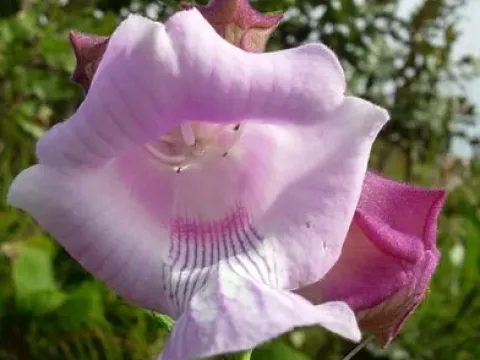
Angola sesame
Sesamum angolense
Angola sesame (Sesamum angolense) is a member of the Pedaliaceae family. As a heat-loving crop, it requires a long, frost-free growing season, with sowing typically commencing only after the soil has warmed to at least 18–20 degrees Celsius to ensure vigorous germination.
What the section contains
Angola sesame
The optimal sowing time corresponds to the beginning of the rainy season or periods of stable warmth, especially in regions with supplemental irrigation. Given that seedlings are highly sensitive to cold, it is essential to ensure that there is no risk of temperature drops during the early establishment phase.
Seeds are usually sown at a shallow depth of 2–3 centimeters, as they possess moderate germination energy. A wide-row planting pattern is generally preferred, as it allows for proper spacing and facilitates mechanical weed control between rows, ensuring each plant has adequate room to develop.
Thorough soil preparation is vital before sowing; the ground should be cleared of weeds and worked into a fine tilth. Angola sesame does not thrive in compacted soil, so ensuring a loose soil structure is crucial for the successful development of the root system during the initial growth stages.
High light intensity is essential for successful germination and early growth, meaning fields should be located in open areas free from shade. Under ideal conditions, the first seedlings emerge within 7–10 days, provided there is consistent soil moisture to support the delicate young plants.
This crop has high climatic demands, favoring the hot, stable temperatures characteristic of tropical and subtropical regions in Africa. While the plant possesses a taproot that helps it withstand brief periods of drought, adequate moisture during flowering and pod formation is critical for success.
The best soils for Angola sesame are light, sandy, or loamy types with excellent drainage. The crop does not tolerate waterlogging, which quickly leads to root rot and the proliferation of various soil-borne pathogens that can devastate the crop in a very short time.
The ideal soil pH for this sesame species ranges from 5.5 to 7.0. The plant is sensitive to overly saline or acidic soils, which can inhibit nutrient uptake and lead to a significant reduction in overall plant vigor and ultimate seed yield at the end of the season.
Intensive sunlight throughout the entire day is a prerequisite for rapid growth and strong stem development. Insufficient light leads to etiolated, weak stems that are prone to lodging, which complicates harvesting and negatively affects the quality and quantity of the seeds produced.
Mineral nutrition should be balanced, with a focus on phosphorus and potassium to promote proper pod maturation and oil accumulation. Nitrogen application should be moderate, as excessive levels promote unwanted vegetative growth at the expense of the reproductive structures and overall seed oil content.
The yield of Angola sesame is highly dependent on consistent moisture levels during the critical flowering and seed-filling stages. With proper management, each plant can produce a large number of capsules filled with nutrient-dense seeds rich in high-quality vegetable oil.
By employing intensive agricultural practices, such as precise fertilization and irrigation, farmers can significantly increase the total yield per hectare. The objective is to achieve uniform maturity across all capsules to maximize the harvest potential of the crop.
A major challenge in harvesting is the tendency of the capsules to shatter when they reach full maturity. Consequently, farmers must closely monitor the color change of the capsules and time the harvest precisely to prevent significant seed loss in the field due to shattering.
The culinary quality and economic value of the seeds are determined not only by the growing conditions but also by the care taken during post-harvest handling. Proper cleaning, grading, and careful drying are essential to maintaining seed integrity and ensuring a long shelf life for the product.
Plant density plays a significant role in yield optimization. Too low a density leads to excessive branching and uneven maturation, whereas excessive density creates fierce competition for sunlight and nutrients, leading to stunted plants and reduced yields per individual plant.
Root rot is one of the most common threats, typically resulting from poor soil drainage or high humidity levels. Adherence to a strict crop rotation schedule is mandatory, and it is generally recommended not to plant sesame on the same ground more than once every three years.
Insect pests, such as various species of cutworms, can inflict substantial damage on foliage, thereby reducing photosynthetic capacity. Routine field monitoring is necessary to detect outbreaks early, allowing for the application of appropriate biological or chemical controls before damage becomes severe.
Aphids and other sap-sucking insects pose a dual threat as they both damage the plant directly and act as vectors for viral diseases. These viruses can cause leaf deformation and stunt growth, making the control of insect vectors a high priority in integrated pest management programs.
Phyllody, characterized by the transformation of floral parts into leaf-like structures, is a serious phytoplasma disease specific to this crop. Controlling the leafhopper populations that transmit this disease is critical to preventing wide-scale loss of the reproductive potential of the field.
Weed pressure is a major concern during the early establishment phase, as sesame grows slowly initially. Effective weed control, including mechanical inter-row cultivation and the use of approved herbicides, is vital to prevent weeds from suppressing the crop during its most vulnerable growth stage.
Harvesting Angola sesame is a delicate process that requires precision. In many smallholder systems, the plants are cut manually when the lower pods begin to turn color, then bundled and dried in an upright position to allow the seeds to be collected without significant shattering.
The key to a successful harvest is preventing the pods from opening fully in the field. By drying the cut plants in a controlled manner, farmers can capture the maximum amount of seed as the capsules open during the final maturation stage in storage or on drying racks.
Mechanized harvesting requires the use of specialized combine headers and the selection of shatter-resistant varieties. Proper adjustment of the harvest machinery is essential to reduce seed loss to a minimum while ensuring the efficient gathering of the crop from larger areas.
After gathering, the seed must be cleaned to remove debris using winnowing machines or screen separators. Effective cleaning is necessary to meet food safety standards and secure the best market price, as foreign matter can cause spoilage and lower the quality of the processed oil.
Storage requires dry, well-ventilated facilities with stable temperature controls. Proper storage conditions prevent the growth of mold and the degradation of the oil, ensuring that the harvested seeds remain of high quality for processing into food products or raw industrial materials.