
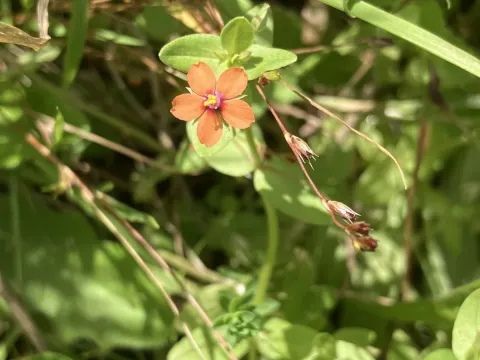
Pelletiera
Pelletiera
Pelletiera is a genus of herbaceous plants classified within the Primulaceae family. Historically documented in various temperate ecosystems, these plants are primarily known for their modest, ephemeral life cycles and specific habitat requirements.
What the section contains
Pelletiera
Botanically, Pelletiera exhibits slender, small foliage and distinct floral morphology typical of the Primrose family. The plant is adapted to thrive in specialized niches where light availability and soil moisture remain balanced throughout the growing season.
Originating from temperate regions, Pelletiera prefers open environments with sufficient exposure to solar radiation. It performs best in climates that do not experience extreme arid conditions or prolonged periods of waterlogging.
Soil requirements for optimal growth include a loose, well-draining structure rich in organic matter. A neutral pH level is generally considered ideal to ensure nutrient uptake, as the plant is sensitive to significant shifts in soil chemistry.
Cultivation practices involve precise moisture management, as the shallow root system is vulnerable to both drought and excessive moisture. Weed control is essential during the early stages, as the plant lacks the competitive vigor to suppress larger invasive species.
The primary threats to Pelletiera cultivation include root rot diseases, which often result from poor soil drainage or excessive irrigation practices.
Common pests that pose risks to this plant include aphids and tiny soil-dwelling larvae that can damage the delicate root hairs and foliage.
Integrated pest management strategies should focus on preventive measures, such as maintaining optimal plant spacing to allow adequate airflow.
Fungal infections can be mitigated by ensuring that the soil surface is kept dry between waterings, preventing the conditions necessary for pathogen propagation.
Regular visual inspections of the plant base and underside of leaves are crucial to identifying early signs of distress, ensuring rapid intervention before the population is compromised.