
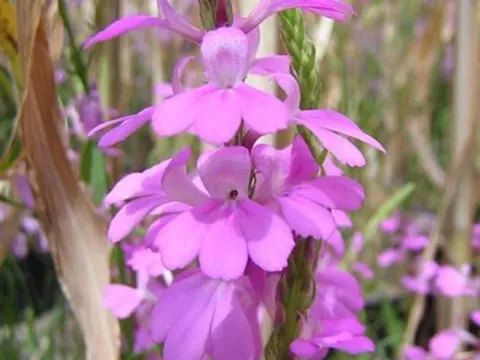
Striga macrantha
Striga macrantha
Striga macrantha is a parasitic plant species within the Orobanchaceae family. Unlike conventional crops, it relies on host plants for water and nutrients by forming haustorial connections with their root systems.
What the section contains
Striga macrantha
The native habitat includes sub-Saharan African regions, characterized by semi-arid climates. The plant is well-adapted to surviving long droughts while remaining dormant within the soil seed bank.
Seed germination is strictly regulated by host-derived chemical signals known as strigolactones. These molecules ensure that the parasite only germinates when a suitable host, typically a cereal grass, is within reach.
The plant thrives in low-fertility soils and is often an indicator of poor agricultural management practices. High temperatures and consistent sun exposure facilitate its rapid maturation and seed production.
Agronomic management focuses on reducing the soil seed bank. Methods include the use of trap crops, which stimulate germination without allowing the parasite to complete its life cycle, effectively exhausting the seed reserves.
The major impact of Striga macrantha is the significant reduction in grain crop yields. By siphoning off resources, the parasite causes severe stunting, leaf chlorosis, and eventual death of the host plant.
Host crops such as pearl millet and sorghum are particularly susceptible. The damage occurs predominantly underground, meaning the initial stages of infestation are often invisible until the parasite emerges.
Biological threats to the parasite itself include natural insect predation, although these populations are rarely high enough to prevent economic damage in agricultural fields.
Preventative strategies are essential, as once a field is heavily infested, eradication can take multiple seasons of crop rotation and strictly controlled chemical fallowing.
Modern research emphasizes breeding for host resistance. Developing cereal varieties that prevent the attachment or development of Striga haustoria remains the most promising avenue for long-term food security in affected areas.