
Parentucellia
Parentucellia
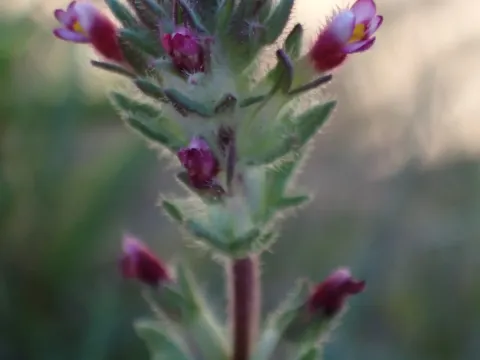
Parentucellia is a genus of annual herbaceous plants belonging to the Orobanchaceae family. These plants are known as hemiparasites, possessing green leaves that allow for photosynthesis while simultaneously extracting nutrients from host roots.
What the section contains
Parentucellia
The botanical structure of Parentucellia includes specialized root attachments called haustoria. These allow the plant to connect to the vascular system of neighboring flora, usually grasses or legumes, to obtain water and essential soil minerals.
Originally native to the Mediterranean region, species like Parentucellia viscosa have successfully naturalized in various parts of the world, including temperate and subtropical zones where moisture is abundant.
Parentucellia requires moist soil conditions and high light exposure to thrive. It is typically found in habitats such as damp meadows, coastal marshes, and disturbed agricultural lands where hosts are readily available.
In agriculture, Parentucellia is categorized as a weed rather than a crop. It can negatively impact grazing pastures by competing with desirable forage grasses, potentially reducing the overall productivity of the land.
Parentucellia is susceptible to various fungal pathogens that flourish in the humid, moist environments that the plant itself prefers. Leaf spots and root rot can occur under high humidity.
In terms of management, chemical control is the primary method of suppression in agricultural settings. Most broad-spectrum herbicides used for crop protection are effective in controlling populations of this hemiparasite.
There are no significant commercial pests that target Parentucellia, as it is generally considered an unwanted species that is actively eliminated from managed ecosystems and high-value crop fields.
Mechanical control methods, such as mowing or tillage prior to seed maturation, are highly effective in limiting the spread of these plants in pasture areas.
The plant's lifecycle is highly dependent on the availability of suitable host plants, making habitat management and crop rotation vital for reducing its presence in fields.