
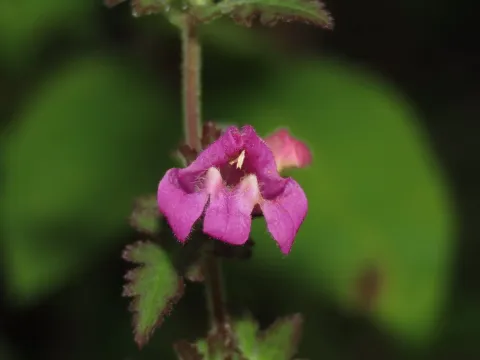
Phtheirospermum
Phtheirospermum
The sowing process for Phtheirospermum requires careful attention to the timing, as seeds typically germinate best when soil temperatures reach stable spring levels.
What the section contains

Phtheirospermum
Seed stratification is often recommended to break seed dormancy and ensure a higher germination rate across the entire batch planted in a controlled environment.
Due to the small size of the seeds, they should be sown shallowly, ensuring they remain in constant contact with moist soil without being buried too deep.
Because the species is hemiparasitic, proximity to a suitable host plant is essential at the time of sowing so that the roots can establish contact early in the life cycle.
Maintaining consistent moisture levels in the substrate is crucial during the first weeks after sowing to support the development of the primary root system and haustoria.
Phtheirospermum belongs to the Orobanchaceae family, which defines its ecological role and specific nutrient acquisition methods through its roots.
The plant thrives in well-drained, fertile soils that provide both the necessary minerals and the mechanical support required for root attachment to hosts.
Light intensity is a key factor in the successful growth of this genus; it requires full sun or high levels of bright, indirect light to maintain its metabolic activities.
Temperature management is vital, with a preferred range of 18°C to 25°C, ensuring that the plant avoids thermal stress during its peak vegetative phase.
Understanding the symbiotic or parasitic relationship with specific host species is the most important technical requirement for successful cultivation in any environment.
Fungal infections, particularly those triggered by waterlogged conditions, are the primary biological threat to the health of Phtheirospermum populations.
Root rot, often caused by poor drainage or contaminated substrates, can rapidly degrade the plant's ability to extract resources from its host, leading to sudden decline.
Insect pests, including aphids and whiteflies, frequently target the succulent stems and leaves, causing leaf curling and severe sap depletion throughout the plant.
Powdery mildew represents another common challenge, usually appearing when the ambient humidity is high and airflow is insufficient around the plant canopy.
To mitigate these threats, integrated pest management strategies focusing on ventilation and the use of targeted biological controls are strongly encouraged by agronomists.