
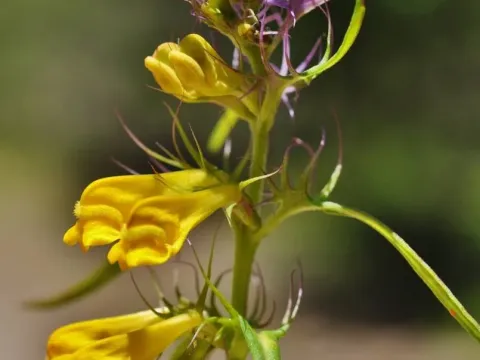
Melampyrum trichocalycinum
Melampyrum trichocalycinum
Melampyrum trichocalycinum is an annual herbaceous plant belonging to the Orobanchaceae family. It is recognized as a hemiparasite, meaning it maintains the ability to perform photosynthesis while simultaneously tapping into the root systems of host plants to supplement its water and nutrient uptake.
What the section contains
Melampyrum trichocalycinum
The plant originates from the temperate regions of Eurasia and is commonly found in forest edges, meadows, and sparse woodlands. Its natural distribution is tied to the presence of suitable host species, which provide the essential subterranean support necessary for the plant’s development.
Botanically, it is characterized by an erect, hairy stem and distinctive trichomes on the calyx, which serve as a diagnostic feature. The leaves are arranged oppositely, supporting the inflorescence of bright, nectar-rich flowers that play a significant role in local ecosystems.
Regarding cultivation, Melampyrum trichocalycinum thrives in well-drained, moderately fertile soils with a neutral to slightly acidic pH. Excessive moisture should be avoided to prevent root stagnation, while adequate sunlight is crucial to support the plant's autotrophic nutritional needs.
In terms of agricultural utility, it is primarily valued for its role as a honey plant and a component of biodiverse meadow systems. Successful cultivation requires careful site selection where host plants are present to ensure the establishment and sustained growth of the crop.
Typical threats include fungal diseases such as powdery mildew and various leaf spot pathogens that thrive in humid, stagnant air conditions. These infections can drastically reduce the health of the foliage and impair the plant's overall metabolic performance.
Insects, particularly leaf beetles and specific aphids, pose a constant risk to the succulent parts of the plant. Since the plant is sensitive to synthetic chemical treatments, integrated pest management practices are essential to protect the vegetative growth.
Soil-borne pathogens represent a significant risk, especially if the soil structure becomes compacted or poorly aerated. Root rot can severely impact the plant's ability to maintain its parasitic connections with host species, leading to stunted development.
Abiotic stressors, including sudden temperature fluctuations or prolonged drought, can hamper the plant's ability to successfully germinate and establish its root system. Ensuring a stable microclimate is vital for maximizing yield and plant vigor.
Cultural control measures, such as proper spacing and field sanitation, remain the most effective strategies for mitigating these risks. By fostering a balanced environment, farmers can enhance the plant's natural resistance to common pathogens and pests.