
Melampyrum saxosum
Melampyrum saxosum
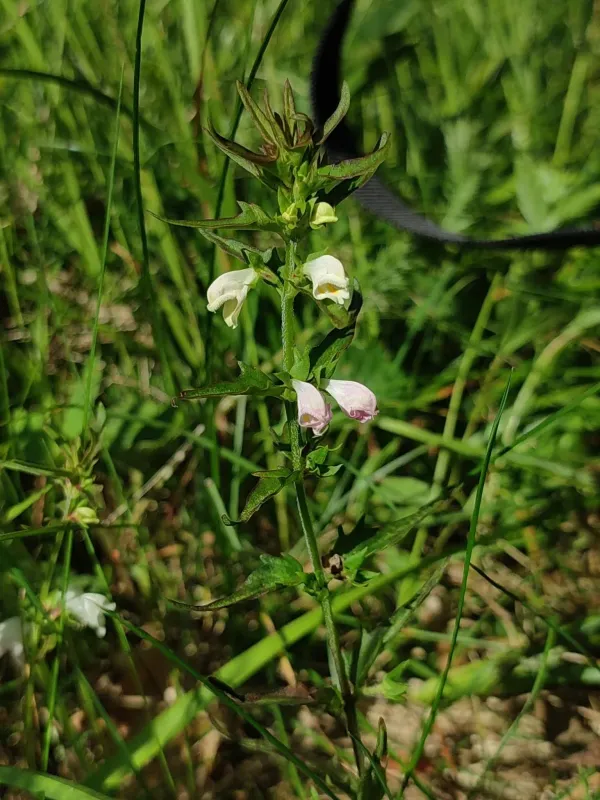
Description
Growing requirements
Melampyrum saxosum, commonly known as rock cow-wheat, is a perennial hemiparasitic plant belonging to the Orobanchaceae family. Unlike conventional crops, this species is typically studied within the framework of alpine botany and ecological conservation rather than industrial agriculture.
The native range of the species is restricted to rocky mountain terrains and alpine meadows. The plant is perfectly adapted to the specific conditions of such environments, where it grows in crevices and on slopes with thin, mineral-rich, and well-drained soils, often at significant altitudes.
The biological nature of Melampyrum saxosum involves hemiparasitism, meaning the plant possesses chlorophyll and can perform photosynthesis but relies on the roots of host plants for supplementary water and nutrients via haustorial connections. This strategy allows the plant to survive in nutritionally challenging mountain environments.
Regarding climate and soil conditions, the plant requires high light intensity and cool, temperate temperatures. It is sensitive to waterlogging and demands a substrate that allows for rapid drainage, typically exhibiting a preference for slightly alkaline to neutral soil pH levels found in limestone regions.
Agricultural cultivation of Melampyrum saxosum is non-existent due to its obligate relationship with host species and specific requirements for its life cycle. Researchers focused on the biodiversity of mountain ecosystems study the plant to understand the symbiotic interactions within these fragile environments.
Main diseases and pests
The primary threats to Melampyrum saxosum include habitat degradation resulting from overgrazing in alpine meadows. Any disturbance to the soil stability directly impacts the host plants, which subsequently leads to the decline or death of the hemiparasitic Melampyrum populations.
Disease pressures on this species often involve soil-borne fungal pathogens, particularly in areas where spring moisture persists for too long. Root rot and damping-off can devastate local populations, especially in years with high rainfall and poor drainage in the immediate microhabitat.
Insect pests are another challenge, with various species of Lepidoptera larvae feeding on the foliage and reproductive structures of the plant. Such infestations can significantly reduce the seed set, limiting the plant's capacity for regeneration in subsequent seasons.
Invasive plant species pose a major competitive threat. As climate conditions fluctuate, faster-growing or more aggressive species may encroach upon the rocky niches occupied by Melampyrum saxosum, eventually shading it out or disrupting the vital subterranean connections it shares with its host plants.
Conservation status and monitoring are essential for the survival of the species. Preservation strategies should focus on maintaining the integrity of the alpine landscape, preventing erosion, and controlling the spread of invasive weeds that threaten to displace native floral communities.