
Macranthera
Macranthera
Macranthera is a genus belonging to the Scrophulariaceae family. These plants are typically found as shrubs or small trees native to tropical regions of the Americas, thriving in humid environments with stable temperatures.
What the section contains

Macranthera
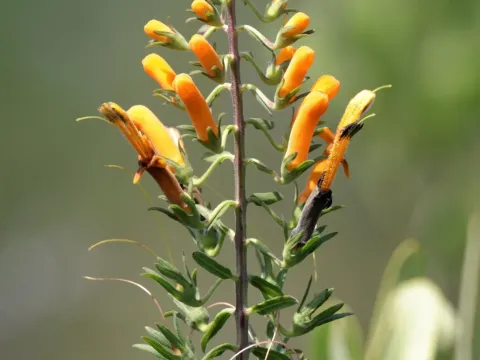
The botanical structure of Macranthera is characterized by its distinct flowers, which have evolved to be highly attractive to specific pollinators. The foliage is generally evergreen, consisting of opposite leaves that provide the plant with a robust appearance.
Cultivating Macranthera requires specialized knowledge of its soil preferences. The plant thrives in well-aerated, nutrient-rich substrates that allow for proper water drainage, preventing the common issue of root hypoxia in container-grown specimens.
Environmental requirements are focused on maintaining warmth. As a tropical species, Macranthera is highly intolerant of frost, requiring a strictly controlled environment if grown outside its natural subtropical range, such as in professional glasshouses.
Agricultural management includes consistent watering practices and seasonal fertilization. During the active growth phase, the plant benefits from balanced liquid fertilizers, while the dormant period requires a significant reduction in watering frequency.
Macranthera is susceptible to several fungal diseases, primarily caused by excessive soil moisture and high atmospheric humidity. Botrytis and root rot are among the most common threats encountered in greenhouse environments.
Insect pests such as spider mites, aphids, and scale insects can cause significant damage to the plant if left unchecked. These pests prefer dry and warm microclimates, which often coincide with indoor cultivation settings.
Effective management requires a combination of physical monitoring and chemical intervention. Pruning away infested parts and applying appropriate systemic insecticides can prevent the spread of populations across the plant collection.
Nutrient imbalances can often mimic symptoms of disease. A deficiency in micronutrients like iron or magnesium frequently manifests as chlorosis, which must be addressed by adjusting the soil pH or applying chelated supplements.
Maintaining a high standard of hygiene in the growing area is essential. Regularly cleaning tools and removing fallen leaves from the surface of the soil reduces the risk of secondary infections and keeps the plants healthy.