
Melampyrum barbatum
Melampyrum barbatum
Description
Growing requirements
Melampyrum barbatum, known commonly as the bearded cow-wheat, is an annual herbaceous plant belonging to the Orobanchaceae family. Unlike obligate parasites, it is a hemiparasite, meaning it can perform photosynthesis while still deriving water and nutrients from host roots.
The geographic distribution of this species spans various parts of Europe and Asia. It typically thrives in meadows, open grasslands, and edges of agricultural fields, where it can easily tap into the root systems of various grass species.
Regarding soil and climatic conditions, the plant prefers well-lit environments with moderate precipitation. It is most commonly found on fertile soils that support a dense canopy of grasses, providing ample hosts for the plant to attach its haustoria.
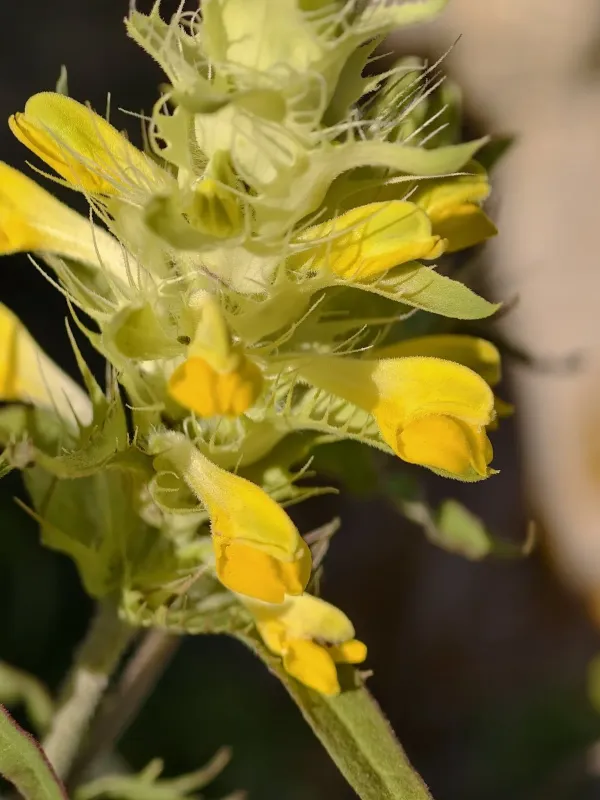
Botanically, Melampyrum barbatum features an upright stem with opposite, lanceolate leaves. The most distinct morphological feature is the spike-like inflorescence protected by bracts with characteristic teeth, which gives the plant its bearded appearance.
Growth stages are tightly linked to the life cycle of the host plants. The plant germinates in spring and rapidly develops its root network to seek out host roots before blooming in the summer months, ensuring successful seed dispersal by autumn.
Main diseases and pests
In agriculture, the primary threat posed by Melampyrum barbatum is its impact on crop vigor. By parasitizing the roots of cereal crops, it diverts essential nutrients and water, often resulting in lower grain yields and reduced biomass.
Crop management strategies focus on preventing the spread of seeds through contaminated grain lots. Rigorous seed cleaning processes are essential to ensure that no seeds of this hemiparasite are sown in fields alongside the intended crops.
Mechanical cultivation remains the most effective way to manage infestations. Plowing and harrowing before the plant sets seeds are vital steps to deplete the seed bank in the soil and disrupt the connection between the parasite and its host.
Chemical control with herbicides can be applied, but these must be selected carefully to avoid harming the primary crop. Applications are most effective during the early stages of plant development before the haustorial connections are fully established.
Maintaining a healthy crop rotation is critical for long-term management. By alternating crops that are less susceptible to parasitism, farmers can effectively reduce the presence of Melampyrum barbatum and improve overall field sanitation.