
Monochasma
Monochasma
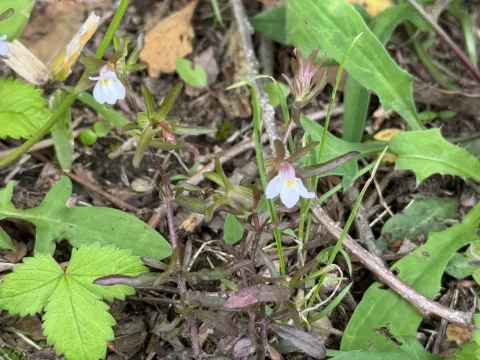
Monochasma is a genus of hemiparasitic herbaceous plants belonging to the Orobanchaceae family, typically found in parts of East Asia.
What the section contains

Monochasma
The cultivation of this plant is complex due to its reliance on a host species, which must be present for the plant to derive its necessary nutrients.
Sowing should take place in early spring once the soil has warmed up, ensuring the seeds are placed in direct proximity to the host's root system.
The seeds are relatively small and require minimal soil coverage to ensure adequate light exposure, which triggers the germination process.
It is essential to maintain consistent moisture levels during the early stages of growth to support the initial development of the seedling and its haustorial connection.
The plant thrives in well-drained, porous soils that prevent the accumulation of excess water, which could lead to root damage.
An ideal environment for Monochasma includes a location with plenty of sunlight or light shade, depending on the specific regional climate.
The presence of a compatible host plant is the most critical requirement for long-term health and successful nutrient uptake from the soil.
Climate preferences lean toward temperate regions, as the plant is not highly resistant to prolonged frost or extreme arid conditions.
Regular maintenance involves light weeding to reduce competition and periodic inspection of the host plant to ensure it remains healthy enough to support the parasite.
The primary threats include root rot diseases, which often occur when the soil is overly compacted or when moisture levels are poorly regulated.
Powdery mildew represents a common fungal threat to the foliage, especially in environments with poor air circulation or high humidity levels.
Pests such as aphids and spider mites can cause significant damage to the plant by extracting sap, potentially weakening its link to the host.
Soil-borne nematodes are particularly problematic, as they can directly attack the root system and inhibit the function of the plant's haustoria.
Management of these threats typically involves integrated pest control strategies and ensuring the overall vigor of the host-parasite system.