
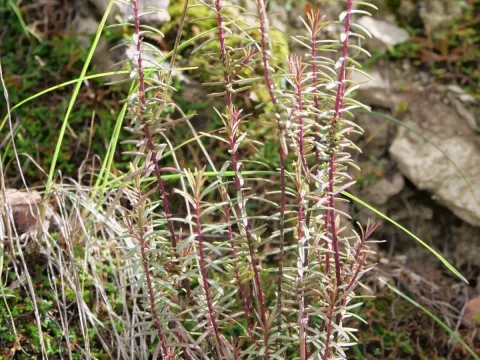
Macrosyringion
Macrosyringion
Macrosyringion is a specialized botanical genus belonging to the Syringiaceae family. It is typically found in temperate regions where environmental moisture remains relatively constant throughout the growing season.
What the section contains

Macrosyringion
The optimal soil for this crop must possess excellent drainage characteristics, as the root system is highly susceptible to hypoxia in waterlogged soils. A balanced pH between 6.0 and 7.0 is required for nutrient uptake.
Climatic requirements dictate a preference for cool to moderate temperatures, ideally between 15 and 25 degrees Celsius. Extreme heat exposure can lead to rapid transpiration, requiring supplemental irrigation to maintain healthy foliage.
Cultivation practices involve regular monitoring of mineral levels, specifically nitrogen and phosphorus, which are essential for structural growth. Proper spacing between rows is recommended to encourage air circulation and prevent excess humidity.
Economically, Macrosyringion is utilized primarily in specialized forage production or as a biological additive. Its unique chemical profile makes it a subject of interest for sustainable agricultural research and industrial applications.
Pathogenic fungi present the most significant threat to Macrosyringion health, particularly during periods of high humidity. Powdery mildew can cause widespread damage if not addressed through early detection and fungicide application.
Insect pests, such as aphids and certain mite species, are common in intensive production environments. Integrated pest management strategies, focusing on biological controls and balanced fertilization, are recommended to protect the crop.