
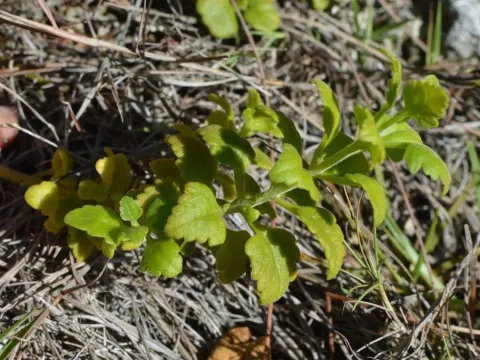
Nesogenes
Nesogenes
The genus Nesogenes is not a standard agricultural crop, and therefore has no commercial sowing dates or established large-scale agronomic cycles.
What the section contains
Nesogenes
In their native habitat, the germination process is strictly dependent on the onset of seasonal moisture, allowing plants to complete their lifecycle during favourable weather.
When cultivating for research or botanical conservation, it is advised to sow seeds on the surface of a sterile, well-draining, and slightly acidic medium.
Consistency in moisture during the initial stage is vital for the survival of the fragile seedlings which are quite sensitive to drought stress.
Providing optimal indirect light is necessary for the seeds to trigger germination, as many species within this genus are photoblastic in nature.
Species belonging to Nesogenes are members of the Linderniaceae family, often found in specific insular environments in the Indian Ocean.
These plants demonstrate a clear preference for bright, open habitats where direct or high-intensity indirect solar radiation is available.
The soil requirement is strictly based on high permeability; rocky, sandy, or gravelly soils are ideal for mimicking their natural conditions.
A tropical or subtropical climate with stable humidity levels is essential, as these plants do not cope well with significant temperature fluctuations.
Nutrient requirements are relatively low, as these plants are well-adapted to oligotrophic soils and excessive fertilization can damage the delicate root system.
The primary threat to Nesogenes in nature is habitat loss and the encroachment of aggressive, invasive weed species that outcompete them for resources.
In controlled environments, excessive soil moisture is the leading cause of mortality, frequently leading to the development of pathogenic root rot.
Insects like spider mites and aphids represent a major threat in greenhouses, where they can quickly colonize the succulent parts of the plants.
Poor ventilation and high humidity lead to the rapid onset of fungal infections, specifically powdery mildew, which can destroy the foliage.
Effective management includes maintaining a clean growing space and ensuring proper air movement to prevent the accumulation of stagnant air and spores.