
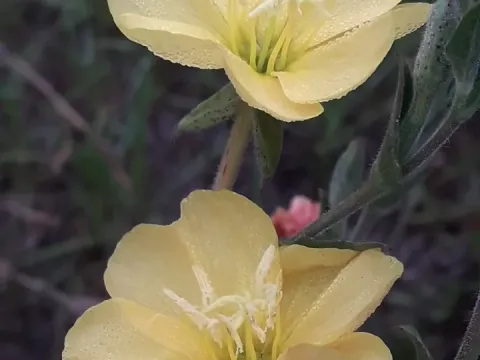
Oenothera affinis
Oenothera affinis
Oenothera affinis, belonging to the Onagraceae family, is typically cultivated as an annual or biennial herb. The optimal sowing time in open fields is early spring, once the soil has warmed to approximately 10-12 degrees Celsius, or late autumn for winter sowing.
What the section contains
Oenothera affinis
Due to the small size of the seeds, they should be sown at a shallow depth of 0.5 to 1 centimeter. Proper soil-to-seed contact is essential for germination, but care must be taken to avoid creating a hard crust on the surface after heavy rain or irrigation.
For commercial production, a row spacing of 45 to 60 centimeters is recommended. This provides sufficient room for mechanical weeding and ensures adequate airflow between plants, which is crucial for overall crop health and disease prevention.
The planting site should be thoroughly cleared of weeds, as Oenothera affinis seedlings exhibit slow initial growth and may struggle to compete with aggressive grasses or broad-leaved weeds during the first few weeks.
Using certified seed and preparing a fine seedbed significantly improves germination rates. If early spring temperatures are unstable, farmers often utilize row covers or agricultural fleece to protect young plants during the sensitive establishment phase.
This crop thrives in full sun, which is essential for vigorous vegetative development and maximum bloom intensity. In shaded areas, plants tend to become leggy, leading to reduced seed production and overall lower harvest yields.
Oenothera affinis performs best in well-drained, light sandy or loamy soils. It has a moderate tolerance for various soil types but cannot withstand waterlogged conditions, which often lead to root rot and poor physiological development.
Agricultural management requires regular inter-row cultivation to suppress weeds and improve soil aeration. Oxygen availability in the rhizosphere is a key factor for the robust growth of the taproot system characteristic of this species.
While the plant displays moderate drought tolerance, regular moisture is necessary during the active growing phase. Supplemental irrigation should be provided during prolonged dry spells to ensure consistent flowering and uniform seed maturation.
Fertilization programs should be balanced to support both vegetative and reproductive phases. Excessive nitrogen application can promote foliage growth at the expense of seed yield, so shifting to phosphorus and potassium fertilizers during budding is standard practice.
Pest management for Oenothera affinis focuses primarily on monitoring for aphids, which can infest tender shoots and developing flower buds. Prompt intervention with biological or chemical insecticides is necessary to prevent structural damage.
Fungal diseases, particularly powdery mildew, pose a significant threat during periods of high humidity or poor ventilation. Maintaining appropriate plant density and ensuring good airflow are the most effective cultural control methods.
Root rot issues often occur when plants are grown in heavy or poorly drained soils. Farmers should prioritize site selection and avoid areas prone to water accumulation to maintain long-term crop health and productivity.
Soil-dwelling larvae can occasionally damage the roots of young plants. If history of infestation is present in the field, pre-sowing soil treatment or crop rotation is highly recommended to minimize the impact on the seedling stand.
Sanitation practices are vital in managing diseases; removing infected plants and clearing crop residues at the end of the season reduces the primary inoculum levels for the following year and promotes a healthy rotation cycle.