
Nodding willowherb
Epilobium nutans
Description
Growing requirements
Nodding willowherb (Epilobium nutans) belongs to the Onagraceae family and is recognized as a perennial herbaceous plant. Its distribution is mainly concentrated in mountain regions where it thrives in specific microclimates.
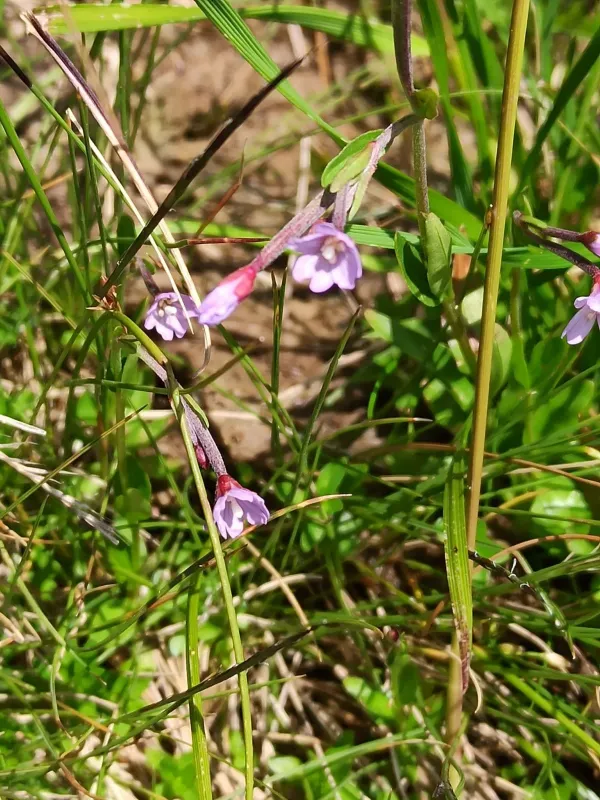
The plant is botanically distinct due to its nodding flowering tips, which provide its common name. The stems typically grow to a modest height, and the foliage is characterized by simple, opposite leaves that help the plant survive in high-altitude environments.
Climatic requirements are strictly related to cool temperatures and high atmospheric humidity. It avoids direct heat and intense, scorching sun, preferring the sheltered environments of mountain meadows and stream banks.
Soil preferences emphasize the importance of well-drained, nutrient-rich substrates that are slightly acidic or neutral. Proper aeration is crucial for the root system to prevent physiological stress caused by waterlogging during the growing season.
The practical application of this species is limited to ecological conservation and scientific study. It is not traditionally cultivated as a crop but serves as a vital component of alpine ecosystems that maintain soil stability and biodiversity.
Main diseases and pests
Fungal pathogens such as mildew are the most prevalent threats, especially in areas with poor airflow and excessive moisture, which can devastate entire populations during damp summers.
Insect pests, including aphids and various leaf-feeding caterpillars, pose a risk to the plant during its flowering stage, leading to reduced seed production and overall population decline in wild habitats.