
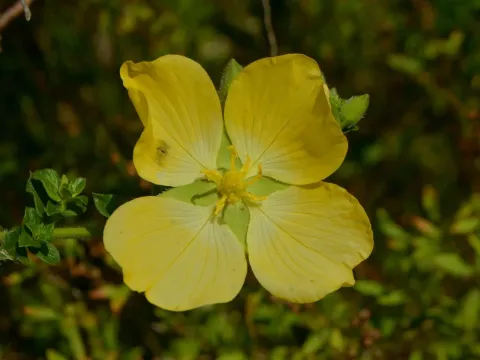
Ludwigia multinervia
Ludwigia multinervia
Ludwigia multinervia is a member of the Onagraceae family, valued primarily for its decorative and biological role in aquatic horticulture.
What the section contains
Ludwigia multinervia
The propagation of this crop is achieved through vegetative cuttings, which allows for rapid multiplication and establishment in new substrates.
The optimal time for planting is during the warm season when light intensity is highest, promoting vigorous growth and root development.
Cuttings should be placed in nutrient-dense aquatic soil to ensure that the plant has access to essential minerals immediately after transplantation.
Proper spacing is crucial to prevent competition, ensuring that the light reaches the lower leaves and maintains the plant's structural integrity.
This species requires specific environmental conditions to flourish, primarily focusing on high-intensity lighting and stable water quality.
Temperature should remain constant between 22 and 28 degrees Celsius, as sudden fluctuations can induce shock and halt metabolic processes.
The addition of CO2 is highly recommended to stimulate development, as it enhances photosynthesis and improves leaf coloration significantly.
The substrate must be rich in iron and other trace elements, which are vital for the plant to prevent common nutrient-deficiency chlorosis.
Consistent water chemistry monitoring is necessary to maintain pH levels between 6.0 and 7.5, which is ideal for this specific aquatic cultivar.
The most common threat to this crop is the rapid colonization by filamentous algae, which can smother the plants and block light absorption.
Fungal pathogens may cause stem rot if the water flow is insufficient or if there is an excessive buildup of organic waste in the substrate.
Pests, such as snails, can feed on the tender young leaves, leading to aesthetic damage and increased susceptibility to secondary infections.
Preventive measures include maintaining proper circulation and utilizing biological control agents to manage the algae population effectively.
If disease symptoms appear, it is essential to adjust the nutrient dosing and perform water changes to stabilize the growing environment.