
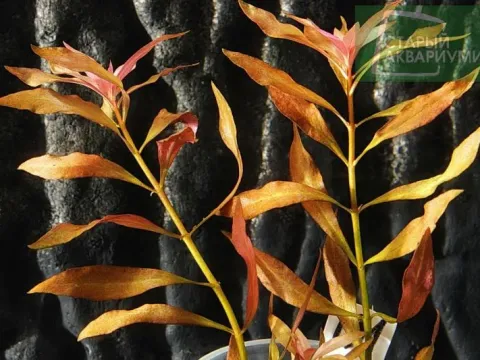
Ludwigia hybrid
Ludwigia hybrids
The Ludwigia hybrid belongs to the Onagraceae family and is highly valued in aquatic horticulture for its aesthetic appeal and adaptability. Originally bred from various tropical and temperate species, these hybrids have become a staple in controlled environment agriculture and indoor gardening.
What the section contains
Ludwigia hybrid
Proper light intensity is the primary requirement for successful growth, as the plant depends on high-intensity radiation to maintain its vibrant coloration. Insufficient lighting causes the stem to become etiolated and leads to the loss of lower leaves due to poor photosynthetic efficiency.
The cultivation medium should be rich in nutrients, specifically iron, manganese, and potassium. A nutrient-dense substrate allows for robust root development, which is essential for transporting necessary elements to the aerial parts of the stem.
Temperature management is critical for the physiological stability of the plant. Maintaining an environment within the 22–28 degrees Celsius range ensures continuous growth and prevents metabolic stress that could stunt development or cause leaf abscission.
Regular maintenance involving the trimming of stems is required to promote lateral branching and denser growth. This technique not only improves the structural integrity of the plant but also facilitates propagation, as trimmed tips can be replanted to expand the culture.
Algal blooms pose a significant threat to the health of the Ludwigia hybrid, often competing for nutrients and space. Proper management of water chemistry and the prevention of nitrate spikes are necessary to curb the growth of nuisance algae.
Chlorosis is a common disorder caused by iron deficiency in the water column or soil. This condition manifests as yellowing of the leaves, while the veins remain green, indicating a disruption in the plant's nutrient uptake processes.
Pests such as aphids and spider mites may target the plant when it is grown in emergent (sub-aerial) conditions. Immediate intervention with insecticidal soaps or biological control agents is necessary to prevent significant damage to the plant's tissues.
Bacterial rot, often caused by stagnant water and decaying organic debris, can compromise the base of the stems. To prevent this, good water circulation and regular removal of dead plant material are mandatory practices.
Improper levels of dissolved carbon dioxide can significantly weaken the plant, making it more susceptible to pathogen attacks. Monitoring CO2 levels is vital, especially in high-light setups where metabolic demands are elevated.